
Originally published · Last updated
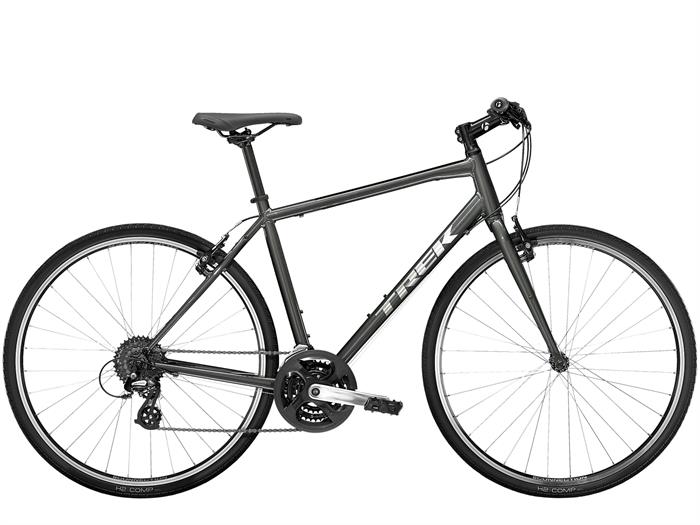
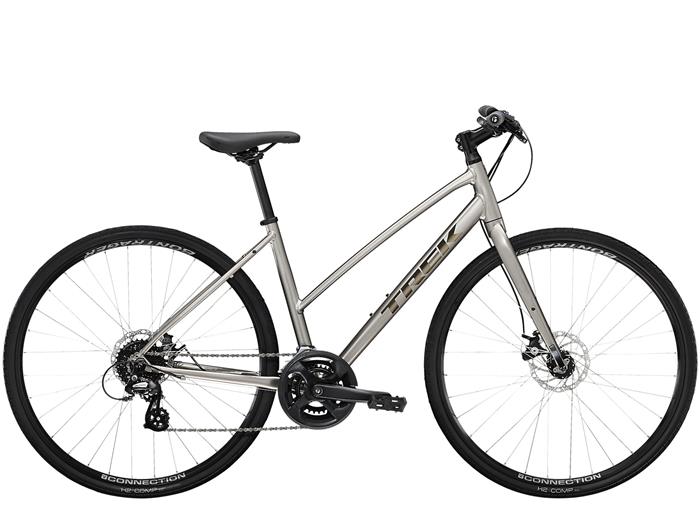
Short answer: the Trek FX 1 Gen 3 is a practical entry-level fitness hybrid for paved commuting, errands, and recreational rides. It offers an aluminum frame, rack and fender mounts, 700x35mm tires, and a wide 3×7 gear range. The tradeoffs are a heavier steel fork, basic seven-speed freewheel, and linear-pull rim brakes that demand more attention in wet or dirty conditions than hydraulic discs.
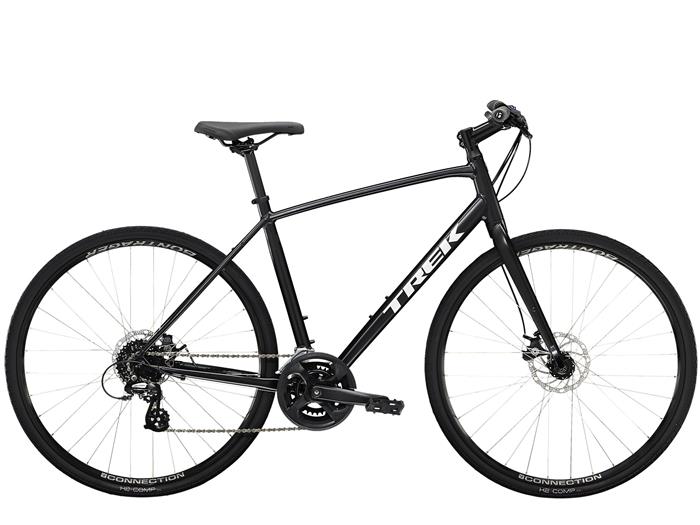
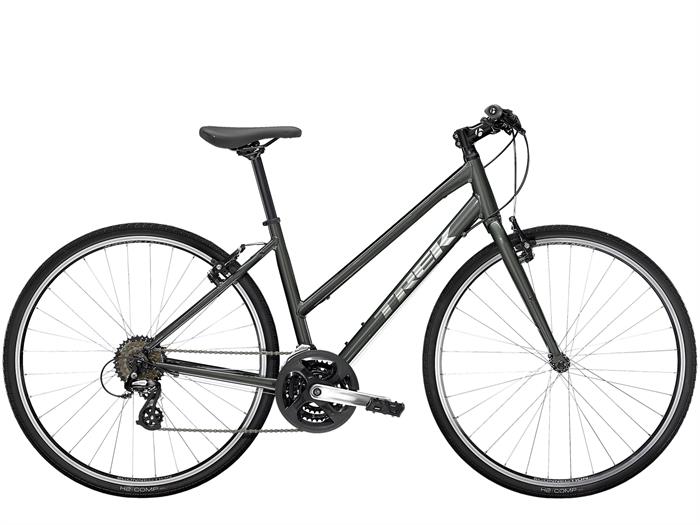
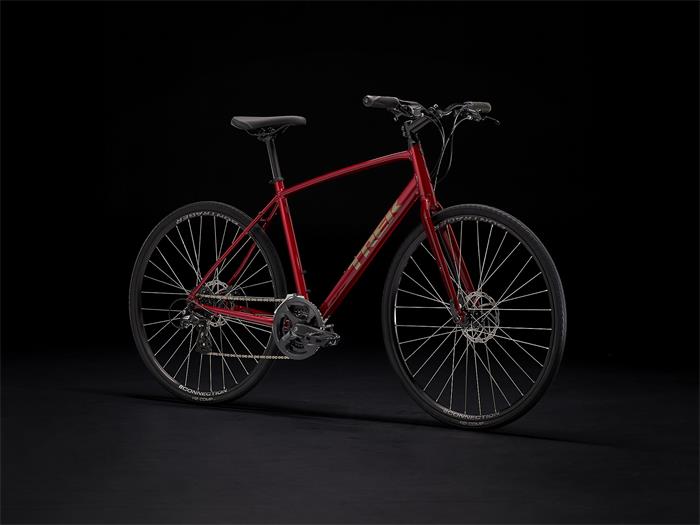
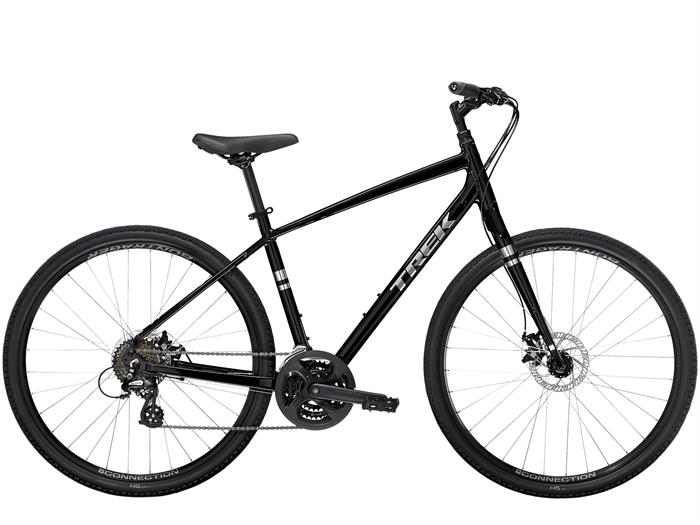
Trek’s archive identifies this rim-brake bike as the 2021-2024 FX 1 Gen 3, model 1042794. It should not be confused with the FX 1 Disc, FX 1 Disc Gen 3, or later FX generations. The archived build uses a 3×7 drivetrain and Tektro linear-pull brakes, so photographs and the model name alone are not enough to confirm the specification.
Quick Verdict
Choose it when: most rides are on pavement, straightforward service matters, rack and fender mounts are useful, and the purchase price leaves room for a helmet, lights, lock, and fit adjustments.
Skip it when: frequent wet descents, heavy cargo, rough gravel, or technical trails require more braking and chassis capability; or you want the simplicity of a 1x drivetrain and modern disc brakes from the start.
Who This Bike Suits
A Good Match
- New riders building fitness on roads and separated paths.
- Urban commuters in flatter areas who value simple, widely serviceable parts.
- Budget-conscious buyers who need rack and fender compatibility.
- Riders who appreciate smaller gear steps and low ratios from a triple crank.
Probably the Wrong Bike
- Wet-weather riders with long or steep descents who prefer hydraulic disc braking.
- Riders who dislike managing a front derailleur and overlapping gear combinations.
- Fast gravel riders who want wider tires, stronger wheels, and more clearance.
- Buyers expecting a lightweight road bike or suspension comfort.
How the FX 1 Gen 3 Should Ride
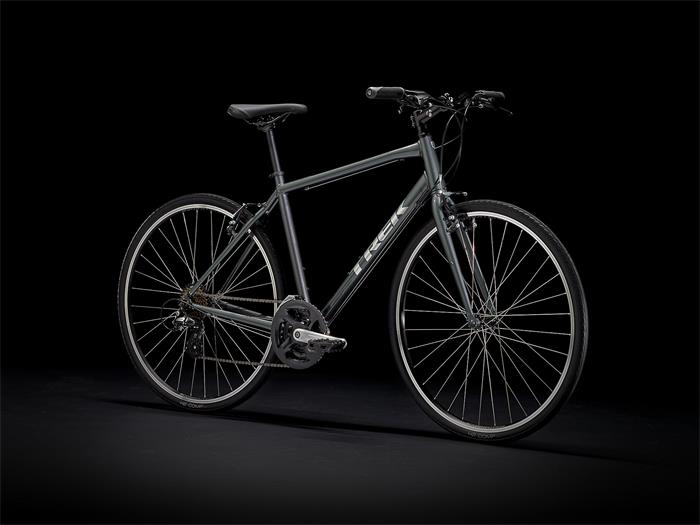
The FX 1 uses fitness-bike geometry, a rigid steel fork, and 700c wheels. It should feel efficient on pavement and stable enough for everyday riders without the complexity of suspension. At 12.57 kg / 27.72 lb for a listed medium, it is not exceptionally light, but it remains manageable for many commutes and recreational rides.
City and Fitness Riding
The 48/38/28 crank and 14-34 seven-speed freewheel provide 21 theoretical combinations. Several ratios overlap, so the practical number of distinct steps is lower. The benefit is a genuinely low option for steady climbs, while the cost is more shifting decisions and more parts to adjust.
The stock 700x35mm H2 Comp tires provide more volume than a narrow road tire and suit pothole-marked streets and paved paths. They remain road-oriented. Pressure should reflect rider and cargo weight while staying within tire and rim limits.
Unpaved Surfaces
Firm dirt and fine gravel are reasonable when speed and tire grip are appropriate. Loose corners, deep gravel, roots, and rocks expose the limits of road tread, rim brakes, and a rigid fork. The bike is not designed as a mountain bike simply because the handlebar is flat.
Trek lists a maximum tire of 700x38mm without fenders and 700x35mm with fenders. That small increase can improve comfort, but frame, fork, rim, and mud clearance all need to be checked on the actual bike.
Components That Matter
3×7 Shimano Drivetrain
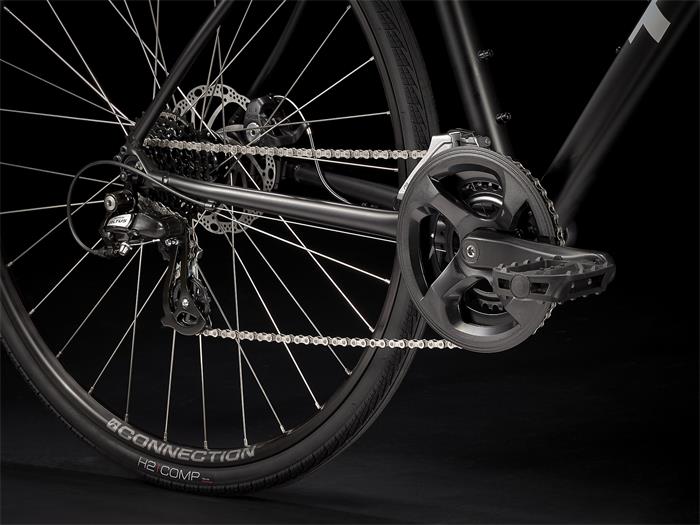
The archived specification combines Shimano EF500 controls, a Tourney TY510 front derailleur, Altus M310 rear derailleur, 48/38/28 crank, and 14-34 freewheel. It is basic equipment, but replacement parts and service knowledge are widely available.
Avoid extreme chain angles such as the largest chainring with the largest rear cog. On a used bike, test the front shifts as carefully as the rear, inspect the chainrings, and check whether the freewheel or chain skips under moderate load.
Tektro Linear-Pull Brakes
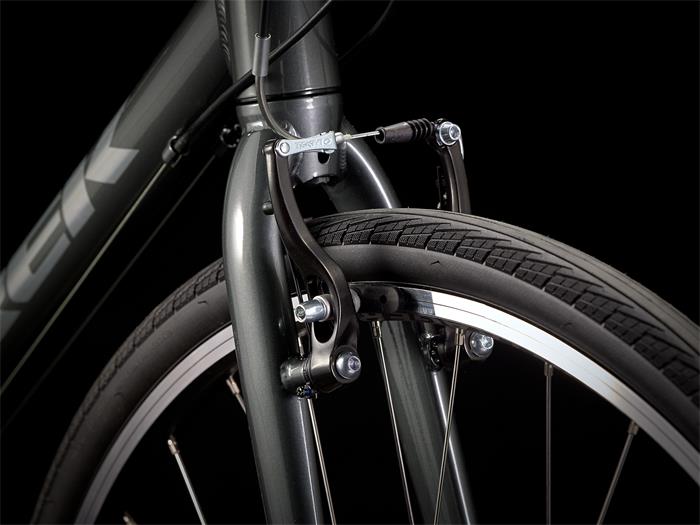
Linear-pull brakes are light, mechanically simple, and inexpensive to service. They act on the rim, so rim condition becomes part of the braking system. Correct pad position, cable movement, wheel trueness, and a clean braking track are essential.
Wet rims can delay braking response. Worn sidewalls, deeply concave rims, frayed cables, hardened pads, or a lever that reaches the grip need correction before riding. A disc conversion is usually not the economical answer on this frame; compare the complete cost with an FX 1 Disc instead.
Steel Fork and Aluminum Frame
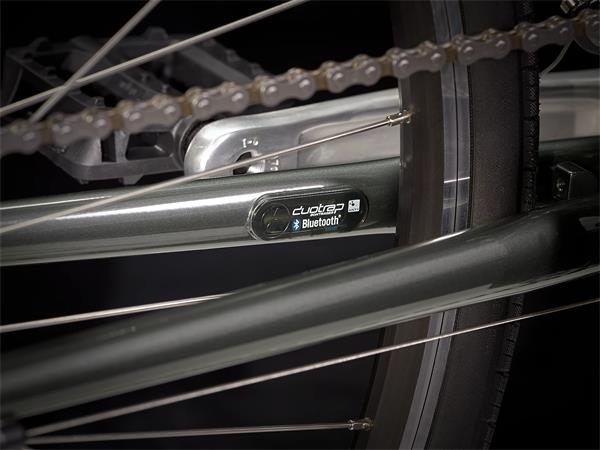
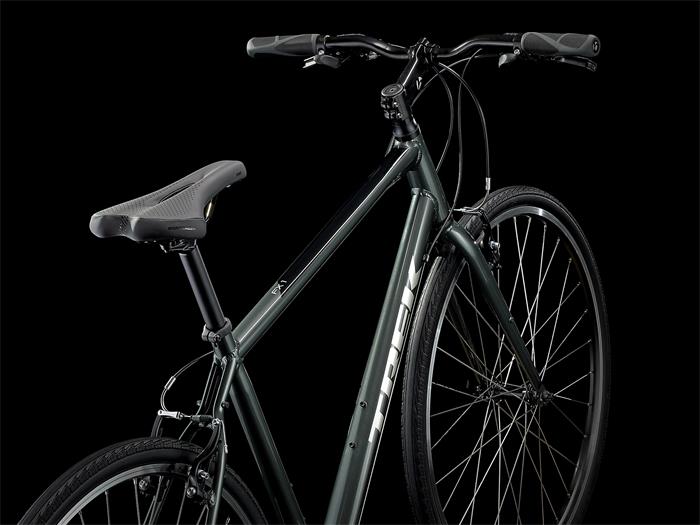
The Alpha Gold Aluminum frame includes rack, fender, DuoTrap S, and cantilever-brake mounts. The FX steel fork also has rack mounts. That makes the bike adaptable for commuting without turning it into a heavy-duty cargo bike.
The steel fork adds weight compared with the carbon fork on higher FX models, but it is straightforward and durable when undamaged. Inspect the fork, steerer, frame joints, and dropouts after any crash or frontal impact.
700c Wheels and 35mm Tires
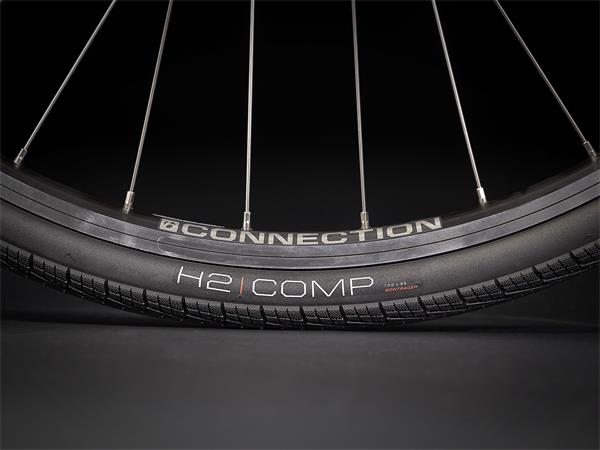
Bontrager Connection double-wall rims and H2 Comp 700×35 tires are suitable for ordinary paved use. The rims use Schrader valves, which are convenient for many riders. Check that brake pads contact only the rim track and never the tire.
Wheel trueness matters twice on a rim-brake bike: it affects both rolling and brake clearance. Persistent rubbing can indicate poor adjustment, a damaged rim, loose spokes, or hub play.
Fit, Comfort, and Everyday Use
The FX 1 is more forward and fitness-oriented than Trek’s Verve comfort line. The correct size should let the rider reach the grips without locked elbows or excessive shoulder tension. Saddle height, saddle fore-aft position, and grip angle should be adjusted before judging comfort.
Trek varies handlebar and stem length by size. A long test ride is more useful than choosing only from height charts. Commuters should check toe overlap, heel clearance with bags, visibility in traffic, and the ability to stop and restart confidently.
Limitations to Consider
The FX 1’s lower purchase price comes with more basic controls, a seven-speed freewheel, steel cockpit parts, and rim brakes. Those choices are reasonable for its purpose, but repeated upgrades rarely make financial sense. Buy the bike for what it already is.
The archived model spans several years and may have production substitutions. Inspect labels on the actual drivetrain, brakes, wheels, and fork. A seller’s use of the words FX 1 is not proof that it matches this specification.
- Confirm the rim-brake FX 1 Gen 3 identity rather than an FX 1 Disc variant.
- Inspect both rim braking tracks for wear, dents, cracks, and severe concavity.
- Check cables, housing, pads, wheel trueness, hub play, and quick releases.
- Shift through all three chainrings and seven rear cogs without excessive rubbing or skipping.
- Inspect the frame and fork for impact damage, then test fit with the intended rack or fenders.
Specifications for the Model Discussed
| Archived identity | 2021-2024 Trek FX 1 Gen 3, model 1042794 |
|---|---|
| Frame and fork | Alpha Gold Aluminum frame; FX steel fork |
| Drivetrain | Shimano 3×7; 48/38/28 crank; 14-34 freewheel |
| Brakes | Tektro alloy linear-pull rim brakes |
| Tires | Bontrager H2 Comp 700x35mm |
| Maximum listed tire | 700x38mm without fenders; 700x35mm with fenders |
| Listed weight | M: 12.57 kg / 27.72 lb |
| Total weight limit | 300 lb / 136 kg including bicycle, rider, and cargo |
2026 Trek FX 1 Gen 4: What Changed?
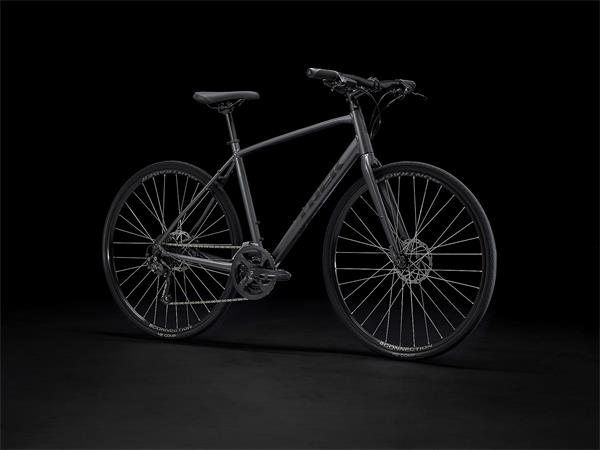
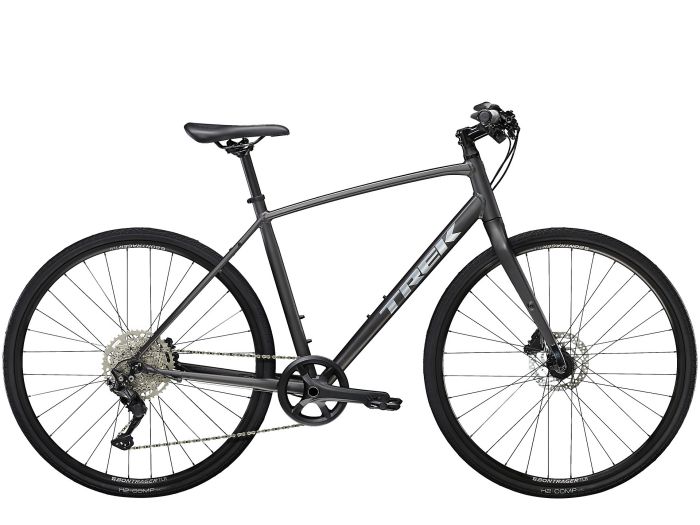
Trek’s official 2026 FX 1 Gen 4 listing shows two changes that materially affect the buying decision: the drivetrain moves from 3×7 to 2×8, and the rim brakes are replaced by Tektro mechanical disc brakes. The medium example retains an Alpha Gold Aluminum frame, rigid steel fork, 700x35mm tires, and quick-release hubs.
| Area | 2021-2024 FX 1 Gen 3 | 2026 FX 1 Gen 4 | Buying effect |
|---|---|---|---|
| Drivetrain | Shimano 3×7, 14-34 freewheel | Shimano 2×8, 12-32 cassette | There are fewer chainrings to manage and the rear wheel uses a cassette-compatible freehub, although the lowest climbing ratio is not dramatically easier. |
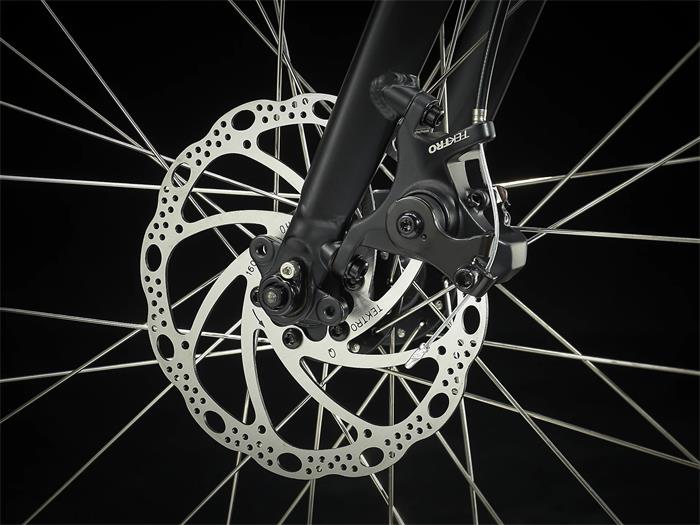
| Brakes | Tektro linear-pull rim brakes | Tektro MD-U310 mechanical discs | Disc braking is more consistent in wet conditions and does not use the rim as the braking surface, but cable adjustment still matters. |
| Frame and fork | Alpha Gold Aluminum, steel fork | Alpha Gold Aluminum, steel fork | The bike remains a durable entry hybrid rather than becoming a lighter performance model. |
| Tires | 700x35mm | 700x35mm | Road and path capability remains broadly similar. |
| Listed medium weight | 12.57kg | 13.00kg | The disc-brake model is slightly heavier on the published figures. |
Who Benefits Most from the Gen 4?
Choose Gen 4 when wet-weather commuting, a cassette rear hub, and future wheel compatibility justify the added cost. The Gen 3 still works for dry-weather errands and flat fitness rides when its lower price leaves room for fresh tires, brake pads, cables, and a professional fit. Neither version is the right platform for expensive performance upgrades; moving to an FX 2 or FX 3 is usually more economical if hydraulic brakes or a lighter fork are already priorities.
The mechanical discs also need a realistic expectation. They improve wet-condition consistency, but they do not deliver the lighter lever feel or automatic pad compensation of hydraulic brakes. Inspect both rotors for bends, confirm that each caliper can be centered without rubbing, and budget for fresh cables and housing if lever effort feels high. A neglected disc system is not automatically better than a correctly adjusted rim brake.
Value and Alternatives
The FX 1 is strongest as a complete, affordable utility and fitness package. A low used price is not a bargain if both rims, tires, chain, freewheel, cables, and pads need replacement. The existing links below cover nearby Trek models, a competing hybrid, and related guides; compare complete equipment, current pricing, fit, and service needs.
- Click To View Price
- Click View The Latest Offers
- Trek Verve 1 Disc
- Click View
- Trek FX 2 Disc
- Click View
- Trek fx 3 Disc
- Click View
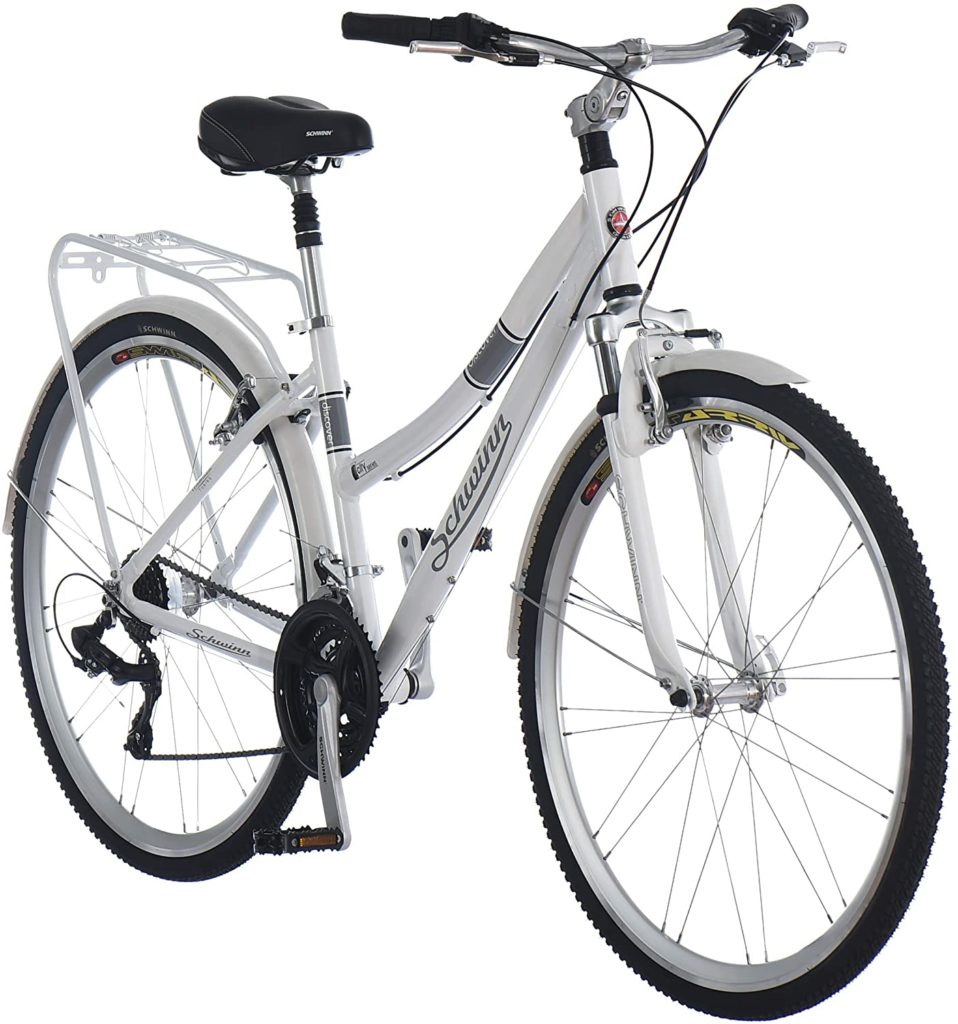
- Schwinn Discover Hybrid Bike
- Click View
- Is The Trek Verve 1 Disc Worth Buying? [Trek Verve 1 Disc Review]
- Trek FX 2 Disc
- Trek FX 3 Disc
- Schwinn Discover Hybrid Bike
- Click View The Latest Offers
- Is Trek Verve 2 Disc Worth Buying? Replaceable Models-Review
FAQ
Is the Trek FX 1 good for commuting?
Yes, especially on paved routes where rack and fender mounts, straightforward parts, and a broad gear range are useful. Add reliable lights, an appropriate lock, and correctly installed cargo equipment.
Are rim brakes unsafe?
A correctly maintained rim brake can provide controlled braking for its intended use. Wet response, rim wear, pad condition, cable friction, and long descents require more attention than on many hydraulic-disc setups.
Is the FX 1 a mountain bike?
No. It is a fitness hybrid. Maintained paths are within its role, but technical trails call for different tires, brakes, wheels, geometry, and often suspension.
Should I upgrade it to disc brakes?
Usually not. This frame and fork are configured for linear-pull brakes. A proper conversion can require major parts or may not be supported; compare an FX 1 Disc or FX 2 Disc instead.
Final Verdict
The Trek FX 1 Gen 3 is worth considering when affordability, paved versatility, and practical mounts matter more than premium components. Its 3×7 gearing and 35mm tires handle ordinary fitness and commuting well. Choose the rim-brake model with clear eyes about wet-weather maintenance; choose an FX Disc model when stronger all-weather braking is worth the additional cost.
Sources
Manufacturer specifications and model identity were checked on August 23, 2026. Use the model year and model number when comparing a bicycle for sale.
- Trek FX 1 Gen 3 archive: https://www.trekbikes.com/us/en_US/bikes/hybrid-bikes/active-fitness-bikes/fx/fx-1-gen-3/p/32769/