

Originally published · Last updated
Four Common Reasons Your Butt Hurts on a Bike
Saddle discomfort is common, but not every pain has the same cause. A wider and softer saddle is not automatically more comfortable: the goal is to support the rider’s sit bones while avoiding concentrated pressure, friction and an unstable pedaling position.

1. New-rider pressure and abrupt mileage
Skin and soft tissue may be sensitive when riding time increases suddenly. Build duration gradually, wear clean cycling shorts when appropriate and allow recovery between early rides. Pain that steadily worsens is not a reason to “tough it out.”
2. The saddle does not match the rider
Width, profile, cutout shape and transition from nose to wings affect where pressure is carried. Measure sit-bone support and test saddles in the riding posture you actually use. An upright city position and a rotated-forward road position do not load a saddle in the same way.
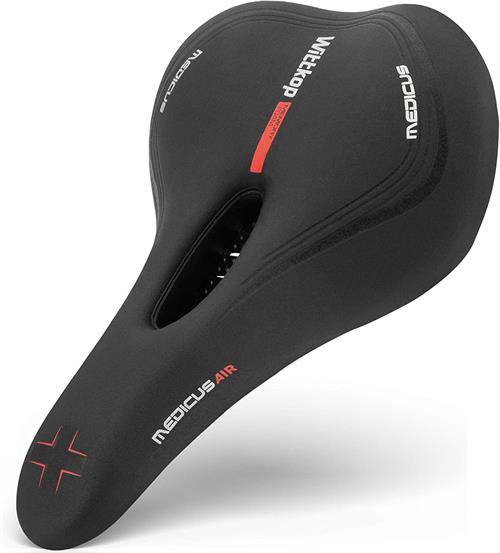
3. Position or clothing creates friction
A saddle that is too high can make the hips rock; excessive nose-up tilt can increase front pressure; a long reach can rotate the pelvis farther forward. Seams, damp clothing and repeated movement can irritate skin even when saddle width is reasonable. Change one variable at a time and record the result.
4. Nerve or vascular pressure
Genital or perineal numbness, tingling or loss of sensation is a warning sign, not a normal training effect. Stop the ride, relieve pressure and reassess the saddle and position. Recurrent or persistent numbness, sexual symptoms, swelling, a skin wound or severe pain deserves evaluation by a qualified clinician.
What to adjust first
- Confirm saddle height and fore-aft position before buying a different saddle.
- Set the saddle near level unless its manufacturer specifies another starting point.
- Stand briefly or change hand position on longer rides to vary pressure.
- Use a short, controlled test route after each adjustment; do not make several large changes at once.
Bottom line: choose a saddle by support, posture and symptoms—not by padding thickness alone.
Linked Products and Resources
Availability and specifications can change. Check compatibility, total price and the current seller terms before buying.
Sources
Technical and safety pages checked August 24, 2026.