

Originally published · Last updated
Why the Trek X-Caliber 6 Still Appeals as a Used XC Bike
The Trek X-Caliber 6 can be an attractive used cross-country hardtail because it combines an aluminum frame, hydraulic disc brakes and efficient XC geometry, but its specification changed between generations. It is best for fitness rides, smoother singletrack and entry-level XC use—not as a substitute for a modern long-travel trail bike.
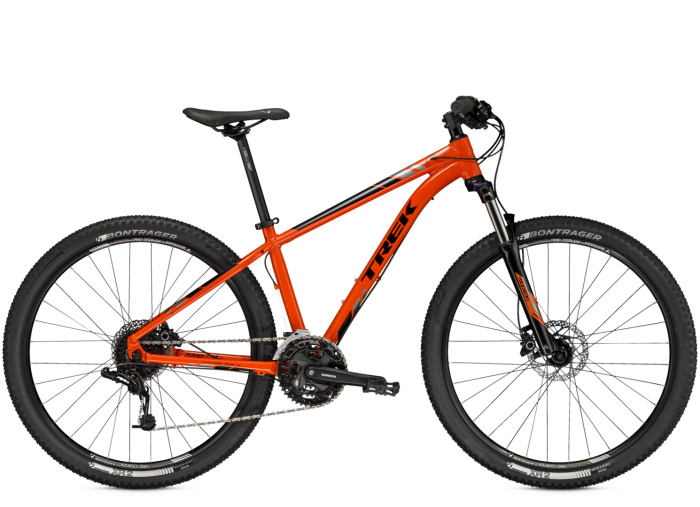
Two official X-Caliber 6 specifications are not the same bike
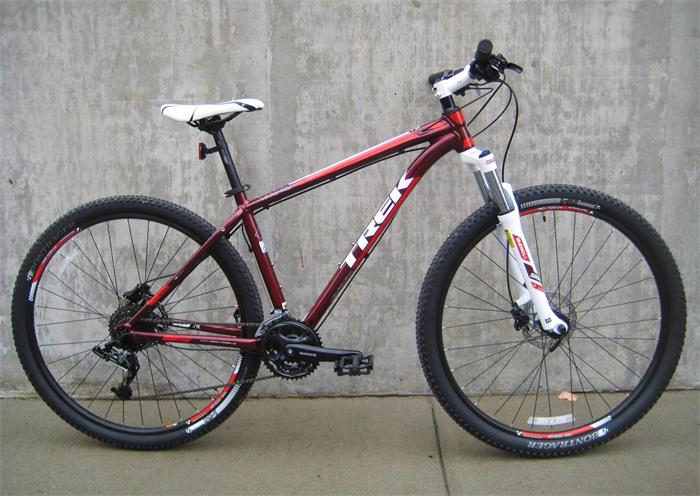
One Trek archive page, model 20426001014, lists a 29-inch build with an Alpha Gold Aluminum frame, an SR Suntour XCM fork with 100mm travel (80mm on the 14.5-inch size), an 8-speed SRAM X4 shifter, a triple chainset and Shimano M395 hydraulic disc brakes.
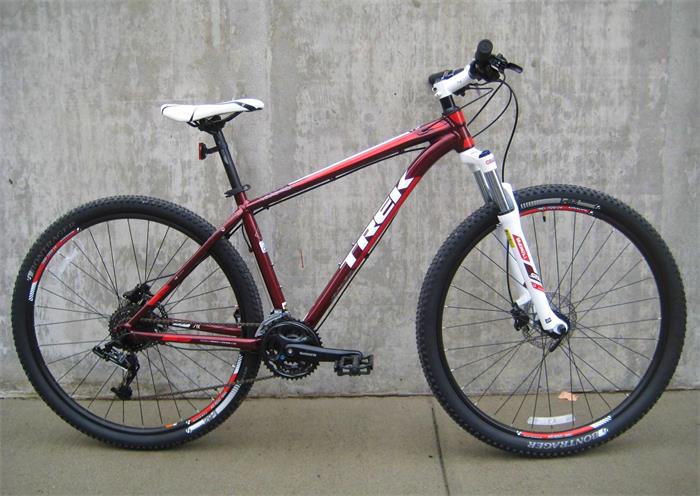
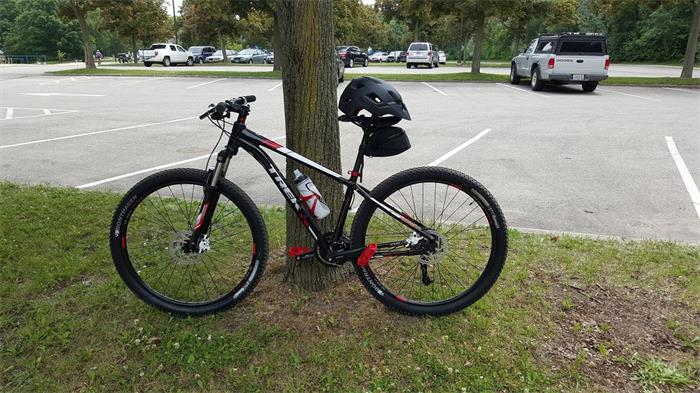
A second official page, model 504328, lists 29-inch tires on larger sizes and 27.5-inch tires on the smaller configuration, a 9-speed SRAM X4 drivetrain, a triple chainset and Shimano M355 hydraulic brakes. Its fork is also listed at 100mm, reduced to 80mm on the 13.5-inch frame. Component count, wheel size and replacement parts therefore need to be checked on the actual bicycle.
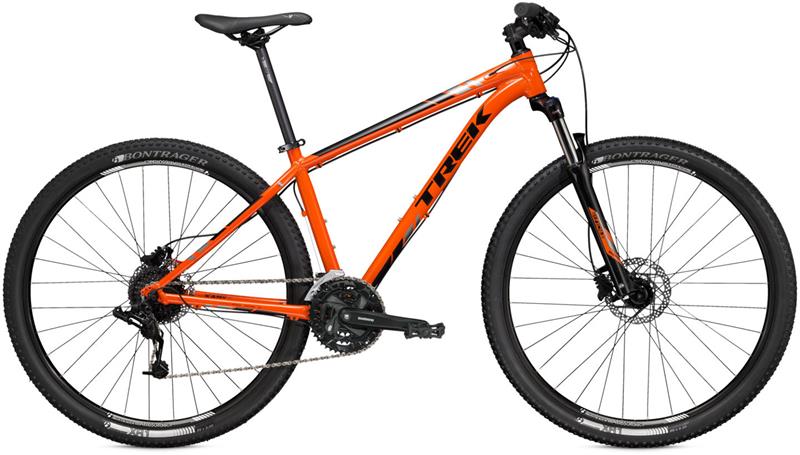
What “conquer” should mean for the buyer
- Efficient use: the bike’s cross-country layout suits steady climbing, local trails and long mixed-surface rides.
- Practical control: hydraulic disc brakes and a lockout-equipped coil fork are useful features when they are correctly maintained.
- Broad fit: Trek used wheel-size changes across sizes, but the correct frame still matters more than choosing 27.5 or 29 inches in isolation.
- Repairable value: a conventional drivetrain can be serviced, although a worn multi-chainring system may need several parts at once.
Where it shows its age
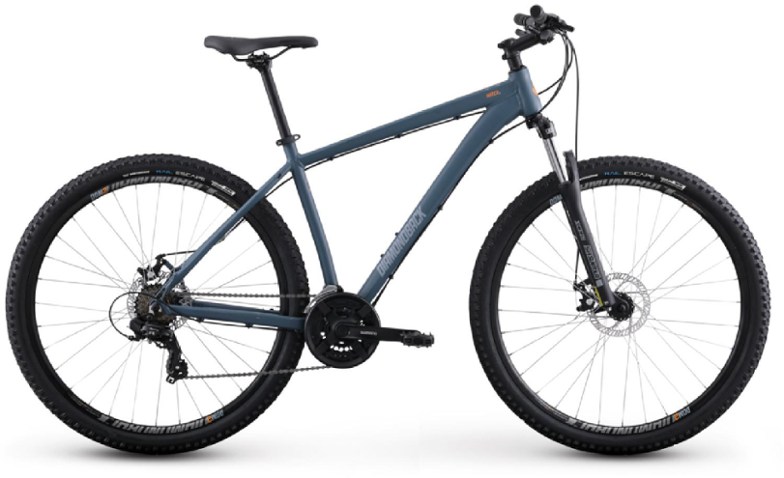
The archived X-Caliber 6 builds use older 3×8 or 3×9 drivetrains, narrow 27.2mm seatposts and entry-level coil forks. They do not offer the simplicity, wide-range 1x drivetrain, dropper-post integration or trail geometry common on newer hardtails. That is not a problem for moderate XC riding, but it should be reflected in the price.
Inspect these points before buying
- Match the frame label and components to the correct model code or model year.
- Check fork stanchions for rust or damage and verify that the lockout and preload controls work.
- Squeeze both brakes firmly, inspect hose condition and look for fluid contamination at the calipers.
- Test all front and rear gear combinations without forcing the chain; watch for a derailleur that approaches the spokes.
- Check hub, headset and bottom-bracket play, rim trueness and tire sidewalls.
- Inspect the aluminum frame around the head tube, bottom bracket, dropouts and welds for cracks or impact damage.
Who should skip it?
Skip the X-Caliber 6 if the goal is repeated jumps, bike-park laps, steep enduro terrain or a low-maintenance modern 1x build. Also walk away when the fork, wheels, brakes and drivetrain all need work; the repair total can quickly exceed the value of an entry-level used hardtail.
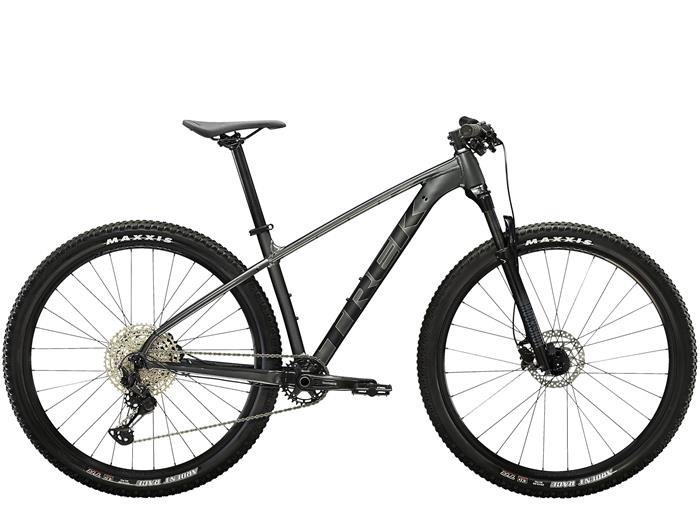
Bottom line: the X-Caliber 6 earns its veteran status as a straightforward XC hardtail. Choose it for fit and condition, identify the generation precisely and keep expectations aligned with cross-country use.
Related Models and Buying Links
Availability, specifications and seller terms can change. Confirm the exact model, size, total price and return terms before buying.
- Click View The Latest Offers
- I
- s The Trek X-Caliber 7 Worth Buying? [Trek X-Caliber 7 Review]
- Is The Trek X-Caliber 8 Worth Buying? [Trek X-Caliber 8 Review]
- Diamondback Hatch 2
- CLICK VIEW
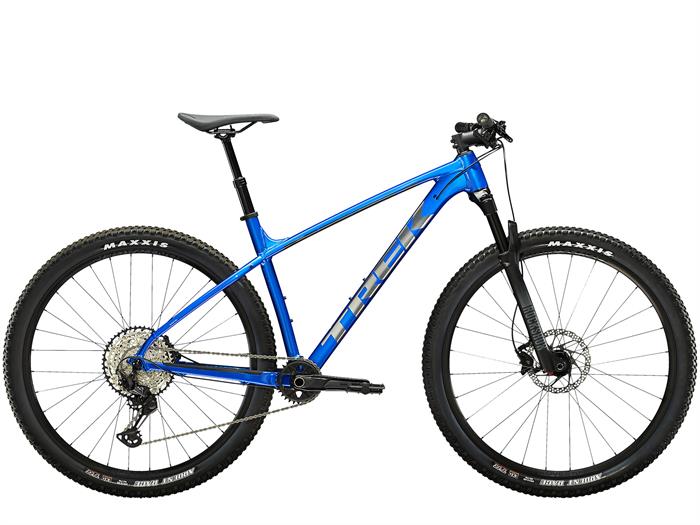
- Trek X-Caliber 9
- CLICK VIEW
- Trek X-Caliber 8
- CLICK VIEW
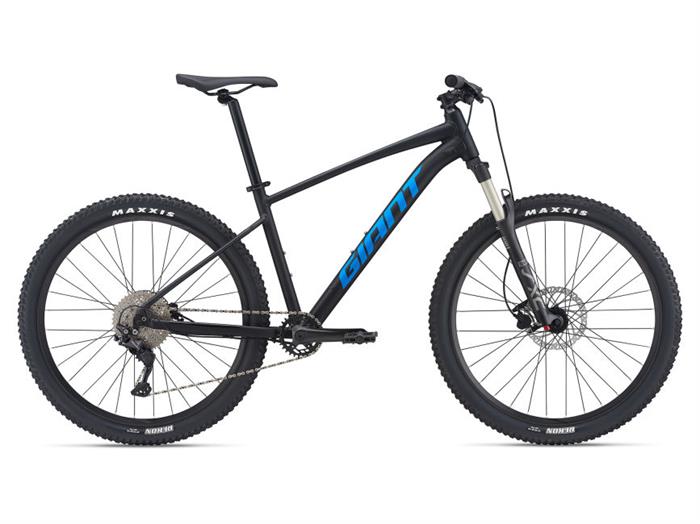
- Giant Talon 1
- CLICK VIEW
- Is The Trek X-Caliber 8 Worth Buying? [Trek X-Caliber 8 Review]
- Marlin 5
- Is Trek X-Caliber 9 Worth Buying? [Trek X-Caliber 9]
- CLICK VIEW
- Click View The Latest Offers
Sources
Official product, archive and support pages checked August 25, 2026.