

Originally published · Last updated
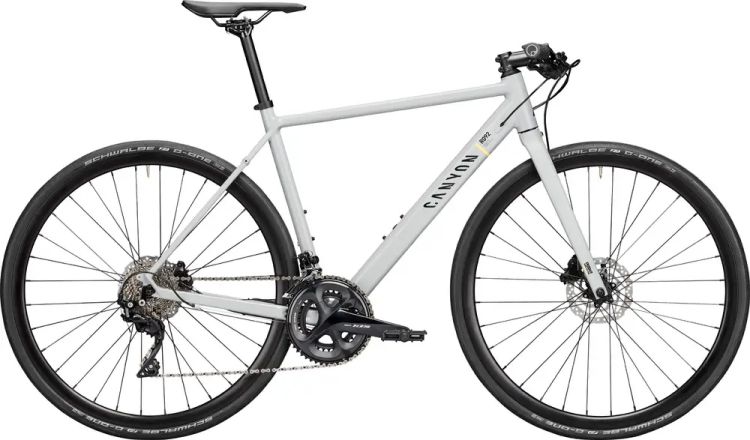
Short answer: the Canyon Roadlite 6 discussed here is a fast, lightweight fitness hybrid for paved workouts, commuting, and brisk recreational rides. Its aluminum frame, carbon fork, Shimano 105 2×11 drivetrain, hydraulic disc brakes, and narrow 700c tires give it a road-bike-like character without drop bars. It is less suitable for rough gravel, heavily loaded touring, or riders who want an upright comfort-bike position.
This guide covers the Roadlite 6 configuration with an aluminum frame, carbon fork, Shimano 105 2×11 drivetrain, and 700x30c tires. Canyon changes Roadlite equipment between years and markets, and the current range is not a reliable specification sheet for every earlier bike. Match the frame label, drivetrain, wheel size, and fitted components before using the details below to judge a bike for sale.
Quick Verdict
Choose it when: speed on pavement matters, a flat handlebar feels more natural than drop bars, and you want a light bike that can cover commuting and fitness duties with minimal complexity.
Skip it when: the route includes repeated roots, rocks, loose descents, or deep gravel; you need a very relaxed upright posture; or rack-heavy utility riding is more important than low weight and quick handling.
Who This Bike Suits
A Good Match
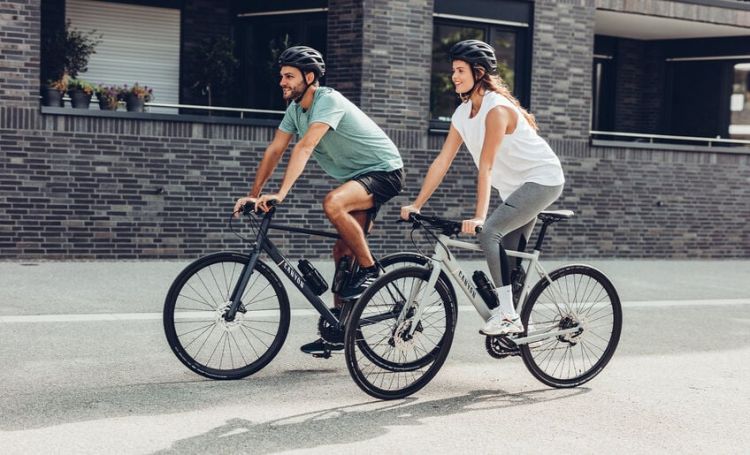
- Fitness riders who want road-bike efficiency with flat-bar steering and braking.
- Urban riders who value low weight when accelerating, climbing, or carrying the bike.
- Cyclists who prefer the close gear steps and high-speed range of a 2×11 drivetrain.
- Commuters using mostly smooth roads and able to protect a relatively performance-focused bike.
Probably the Wrong Bike
- Trail riders who need suspension, wide tires, stronger wheels, and off-road geometry.
- Comfort-first riders who require a shorter reach and a more upright cockpit.
- Buyers who dislike front-derailleur adjustment or want a single-shifter drivetrain.
- Anyone comparing a different Roadlite year without confirming its actual components.
How the Roadlite 6 Should Ride
The Roadlite concept combines a rigid, lightweight chassis with a flat handlebar and road-sized wheels. That produces quick steering and efficient acceleration on pavement. It also means comfort depends heavily on fit, tire pressure, tire construction, and road condition because there is no suspension to isolate larger impacts.
Fitness Riding and Fast Commuting
A road-oriented 2×11 drivetrain offers small steps between neighboring gears, helping a rider maintain a steady cadence through rolling terrain. The larger high gears suit faster paved riding, while the inner chainring provides more useful climbing range than a single large chainring.
At about 9.9 kg in the listed configuration, the bike is light for a practical flat-bar hybrid. That matters most during repeated starts, short climbs, and stairs. The number is not a guarantee for every size or later replacement part, so weigh the actual bike if weight is central to the purchase.
Rough Pavement and Light Gravel
The stock 30mm tires are wide enough to soften ordinary pavement seams, yet still favor speed over flotation. They can handle firm paths and short stretches of fine gravel with sensible pressure and reduced speed, but loose corners and sharp rocks expose their limited volume.
The carbon fork can reduce some high-frequency vibration and saves weight, but it remains rigid. Potholes, curbs, washboard, and trail obstacles still require active line choice. A rider who regularly seeks rough surfaces should compare a wider-tire hybrid or gravel bike rather than forcing the Roadlite into a role it was not built to fill.
Components That Matter
Shimano 105 2×11 Drivetrain
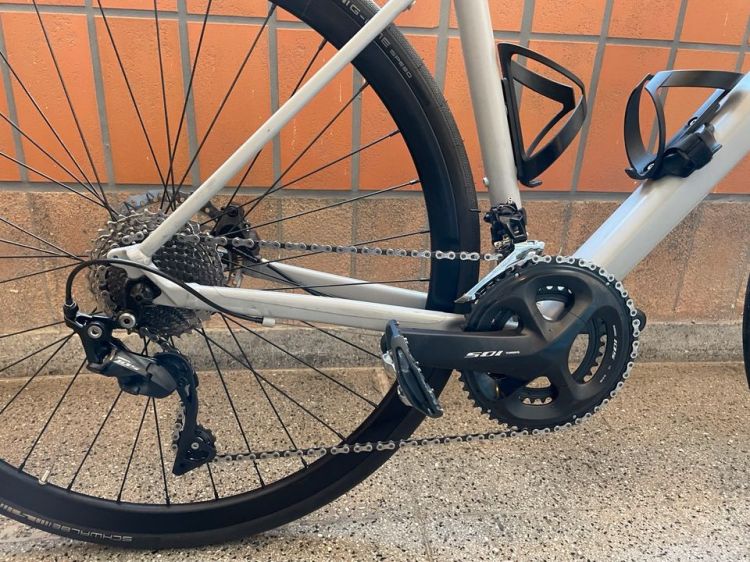
Shimano 105 is a road drivetrain, and that suits the Roadlite’s fast-pavement purpose. Two chainrings provide a broad usable range, while eleven rear sprockets keep gear changes comparatively close. The tradeoff is additional adjustment and one more control compared with a 1x system.
On a used example, shift across both chainrings and every rear cog. Check chain wear, cassette teeth, chainring wear, derailleur alignment, cable movement, and front-derailleur trim. A worn chain running on worn sprockets can make an apparently low purchase price misleading.
Shimano Hydraulic Disc Brakes
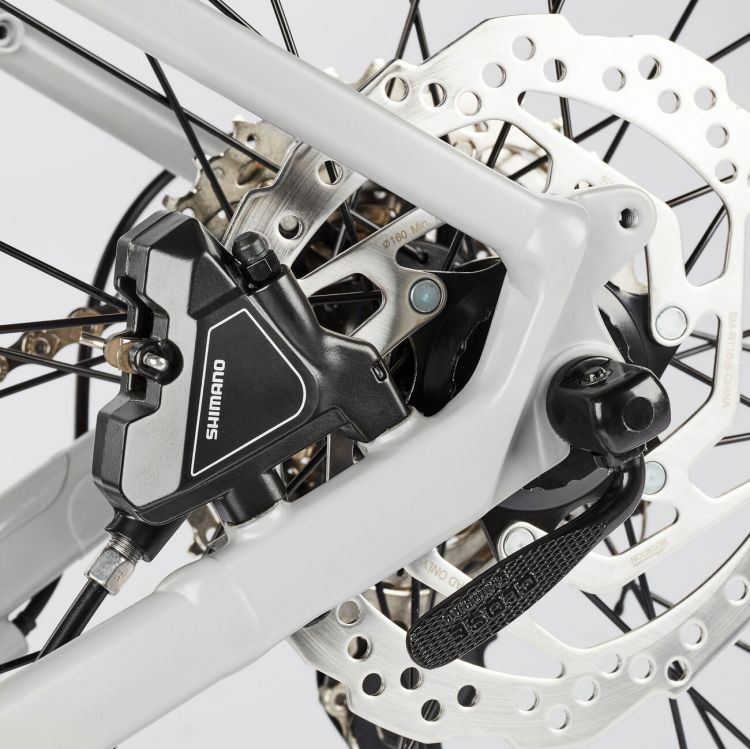
The MT201 lever and UR300 caliper pairing is a practical hydraulic system. It should provide predictable modulation for urban riding and maintain braking consistency when rims are wet because the rotor supplies the braking surface.
Brake quality still depends on pads, rotors, hoses, fluid condition, caliper alignment, and tire grip. A lever that approaches the bar, oily residue, scraping, pulsing, or a deeply worn rotor requires inspection before riding in traffic.
Schwalbe Tires and Road-Size Wheels
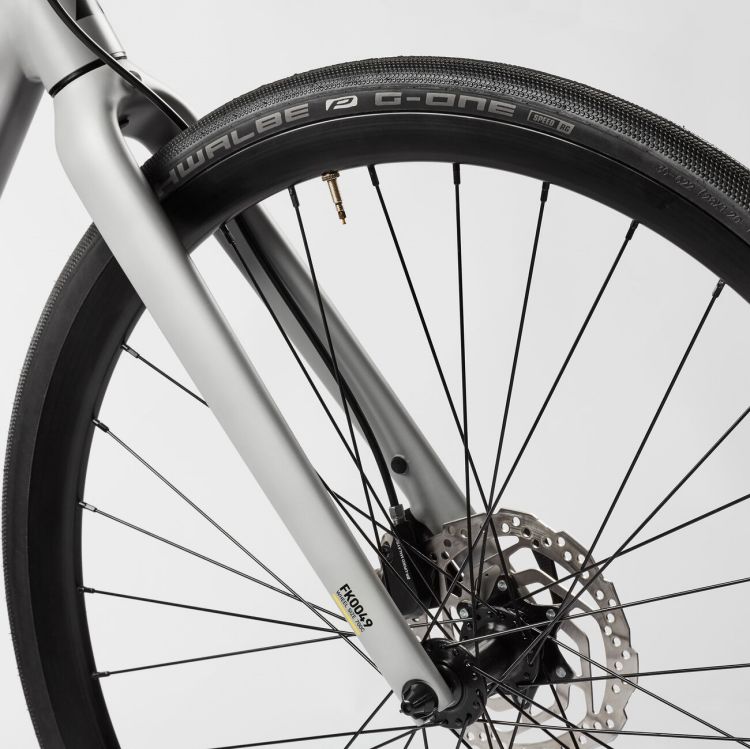
The 700c wheel and 30mm tire combination keeps the bike responsive and efficient on smooth roads. The XS configuration may use 650b wheels, so replacement tires and tubes must match the actual wheel rather than the general model description.
Before purchase, inspect sidewalls, tread, bead seating, rim condition, spoke tension, hub play, and wheel trueness. Tire age can matter even when tread remains because hardened or cracked rubber loses reliability.
Frame, Fork, and Cockpit
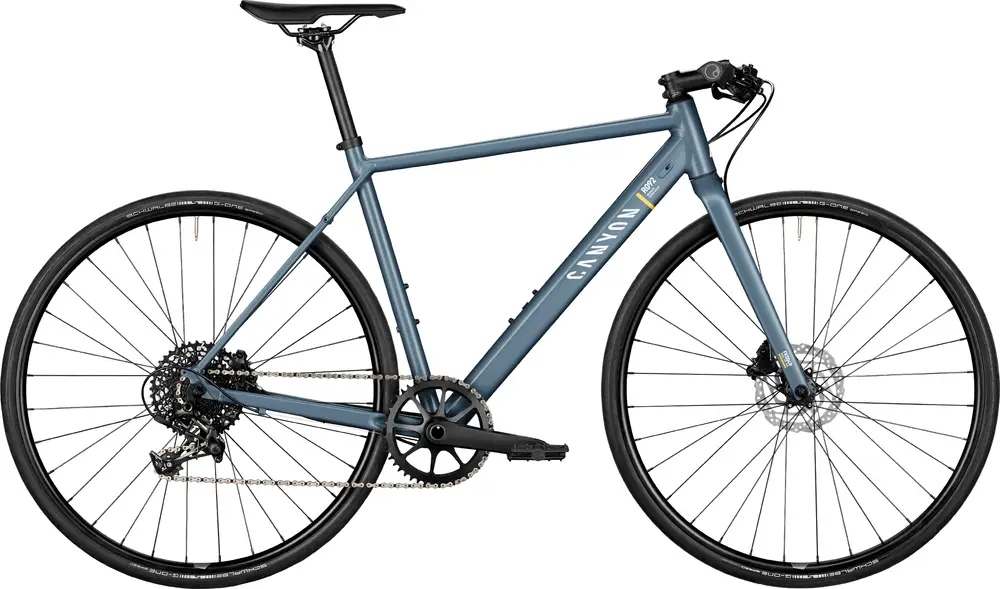
The aluminum frame and carbon fork are the foundation of the Roadlite’s low weight. A flat handlebar gives direct access to brakes and familiar low-speed control, while the performance-oriented reach places more load on the hands than a comfort hybrid.
Inspect the frame and especially the carbon fork for crash marks, deep gouges, cracks, unusual paint lines, or damage around the dropouts and steerer. Carbon damage is not a cosmetic issue to diagnose from a single photograph.
Fit, Comfort, and Everyday Use
A Roadlite should feel purposeful rather than cramped. Check that the rider can reach the grips with relaxed shoulders, bend the elbows, operate both brakes comfortably, and pedal without hip rocking. Hand numbness or neck strain during a short test is a fit warning, not proof that the saddle or grips need immediate replacement.
Canyon sizing and wheel choices can vary by generation. Use the serial information and the geometry for the matching model, then confirm with a real fit check. Commuters should also verify fender and cargo compatibility on the exact frame instead of assuming every Roadlite accepts the same accessories.
Limitations to Consider
The Roadlite 6 is efficient because it avoids suspension and oversized tires. Those same choices reduce comfort and grip when surfaces deteriorate. A tire change may improve compliance within safe clearance limits, but it cannot turn the frame into a trail bike.
Earlier Roadlite models are now commonly encountered secondhand. Replacement parts, production substitutions, and owner modifications can change the build. Judge the complete bicycle in front of you and budget for drivetrain, brake, tire, bearing, and wheel service.
- Confirm the model generation, size, wheel diameter, and fitted 2×11 drivetrain.
- Inspect the aluminum frame and carbon fork for impact damage or suspicious repairs.
- Measure chain wear and test both derailleurs through the full gear range.
- Check brake lever feel, pad and rotor condition, hose integrity, and controlled stopping.
- Check tire age, wheel trueness, spoke tension, bearings, and axle security.
Specifications for the Model Discussed
| Configuration covered | Roadlite 6 aluminum/carbon, Shimano 105 2×11 version |
|---|---|
| Frame and fork | Aluminum frame; carbon fork |
| Drivetrain | Shimano 105, 2×11 |
| Brakes | Shimano MT201 levers / UR300 hydraulic calipers |
| Tires | 700x30c; XS may use 650b x 30c |
| Listed weight | Approximately 9.9 kg, depending on size and build |
| Best terrain | Pavement, bike paths, and short stretches of firm fine gravel |
2026 Canyon Roadlite Lineup: Where Does the Roadlite 6 Fit?
Canyon’s current Roadlite range keeps the same fast-fitness idea: a rigid 700c platform, flat handlebar, road-oriented position, and Shimano drivetrains. However, the official lineup no longer lists a Roadlite 6. The nearest current aluminum models are the Roadlite 7 and Roadlite 8, while the Roadlite CF 9 moves to a carbon frame.
| Bike | Drivetrain direction | Fork and frame | Best reason to choose it |
|---|---|---|---|
| Roadlite 6 discussed here | Shimano 105 2×11 | Aluminum frame, carbon fork | Wide road gearing and closely spaced ratios for fitness riding |
| Current Roadlite 7 | Shimano Deore M6100 1×12 | Aluminum frame, carbon fork | Simpler shifting and a wide-range cassette for mixed urban terrain |
| Current Roadlite 8 | Shimano Deore XT | Aluminum frame, carbon fork | A higher-tier flat-bar drivetrain without changing the basic category |
| Current Roadlite CF 9 | Premium Shimano build | Carbon frame and fork | Lower weight and a more performance-focused complete bike |
Should You Still Buy a Roadlite 6?
Yes, when the size is correct and the price reflects that it is no longer the current model. The 105 2×11 setup remains attractive to riders who value a high road gear and small steps between ratios. A current Roadlite 7 is easier to recommend to riders who prefer one shifter, a very wide cassette, and simpler chain management on stop-start commutes.
Condition should decide the comparison. Check chain wear, both chainrings, cassette teeth, hydraulic brake function, wheel trueness, and the carbon fork around the crown and dropouts. Also compare the shipping, assembly, warranty, and return terms that apply to the actual bike. A discounted Roadlite 6 can be excellent value, but worn 11-speed parts or an unsuitable aggressive fit can erase the saving quickly. Riders carrying panniers should confirm rack compatibility, while anyone using rough gravel regularly will be better served by a bike built around wider tires.
Value and Alternatives
Value depends on the exact year, size, condition, and current local price rather than the former list price. Compare the cost after tires, chain, cassette, brake service, bearings, and fit changes. The existing links below lead to the Roadlite range, alternatives, and related BestBikeSelect guides; confirm current stock, specifications, warranty, and compatibility before ordering.
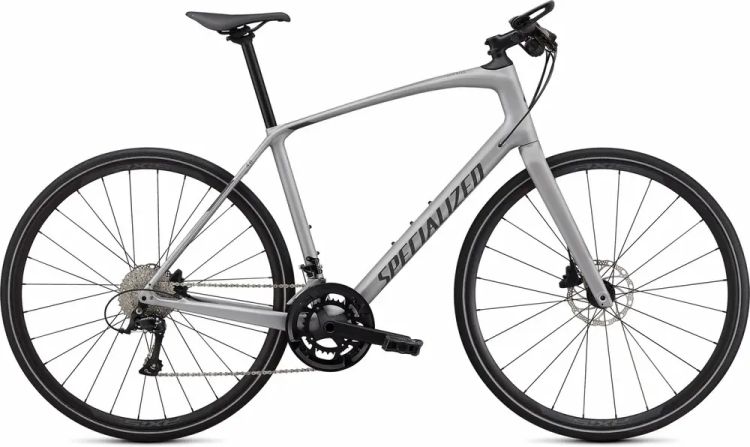
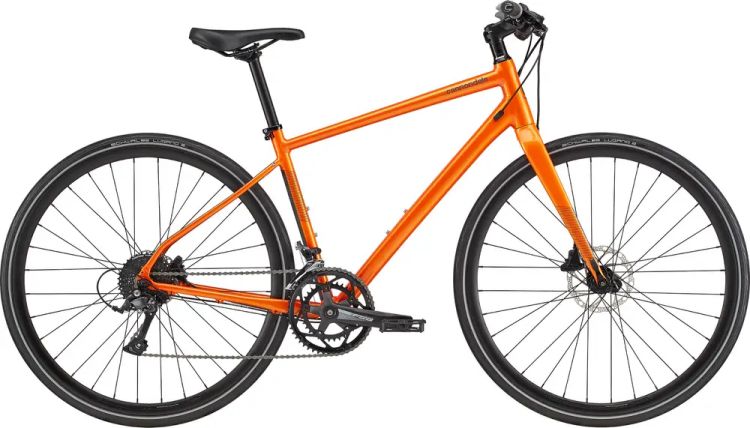
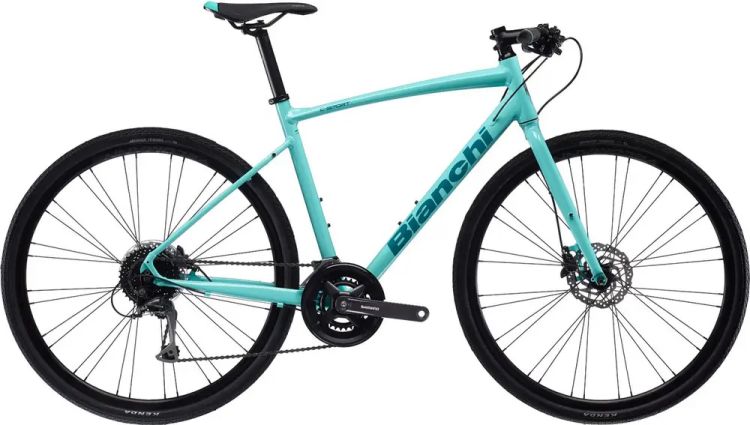
Compare the Trek FX Sport 6 review if a carbon fitness platform is the priority, or the Cannondale Quick 4 review if commuting practicality, 35mm tires, and simpler urban use matter more. These alternatives clarify whether the Roadlite’s road-like gearing and position are genuinely useful for your routes.
- Click view
- Click view
- Click view
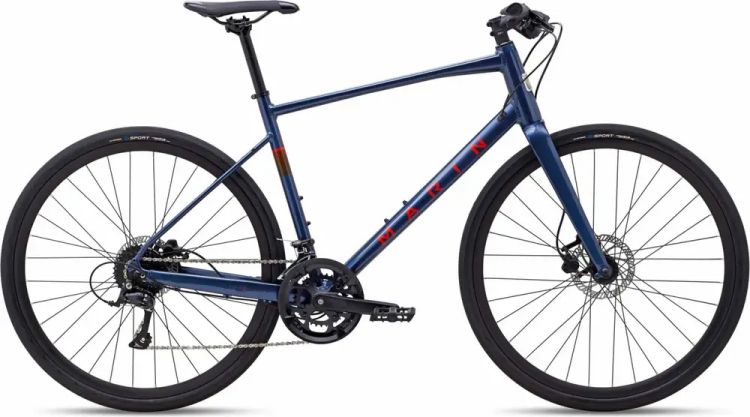
- Marin Fairfax ST 1 Review -A Good Value Fitness Bike For A Healthier Way To Get Around
- Cannondale Quick 3 Review – Why You Should Get Your Hands On The Cannondale Quick 3
FAQ
Is the Canyon Roadlite 6 a road bike?
It uses road-oriented wheels and drivetrain equipment, but the flat handlebar and hybrid frame format make it a fitness hybrid rather than a conventional drop-bar road bike.
Can it ride on gravel?
It can cross firm, fine gravel at an appropriate speed, but the narrow tires and rigid chassis are not intended for technical or loose off-road riding.
Why does the front derailleur matter?
The 2x system gives closely spaced gears and a broad range, but it requires correct adjustment and adds another shift control compared with a 1x drivetrain.
Is the carbon fork suspension?
No. It is rigid. Carbon construction affects weight and vibration feel, but it does not provide suspension travel.
Final Verdict
The Roadlite 6 is a convincing choice for riders who want a fast flat-bar bike for fitness and paved transport. Its low weight, carbon fork, 105 2×11 drivetrain, and hydraulic brakes support that role well. Choose it for efficient road-focused riding; choose a wider-tire or more upright bike when comfort, cargo, or rough surfaces matter more than speed.