
Originally published · Last updated
What Size Mountain Bike Do You Need?
Use the manufacturer’s model-specific chart as the starting point, then confirm stand-over clearance, reach, stack, saddle range and control on the actual bike. A universal height-to-size table cannot account for different brand geometry, wheel size, suspension travel or rider proportions.
Start with three body measurements
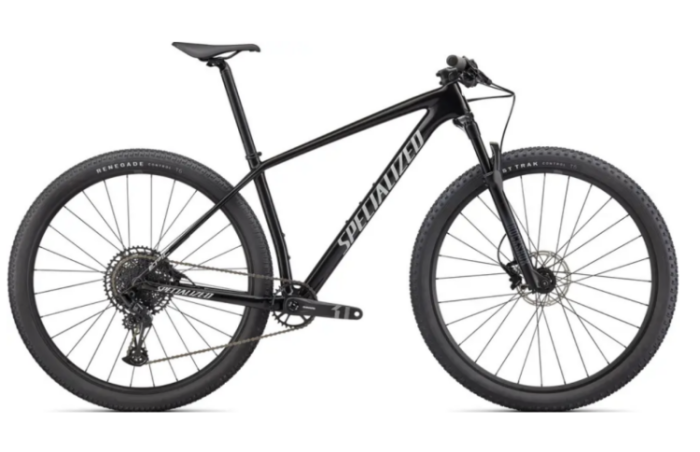
- Height: use the same units and method requested by the brand chart.
- Cycling inseam: measure firmly from the floor to the point that represents saddle support; do not substitute trouser inseam.
- Arm and torso proportions: riders of the same height can need different reach and bar positions.
Read the geometry chart
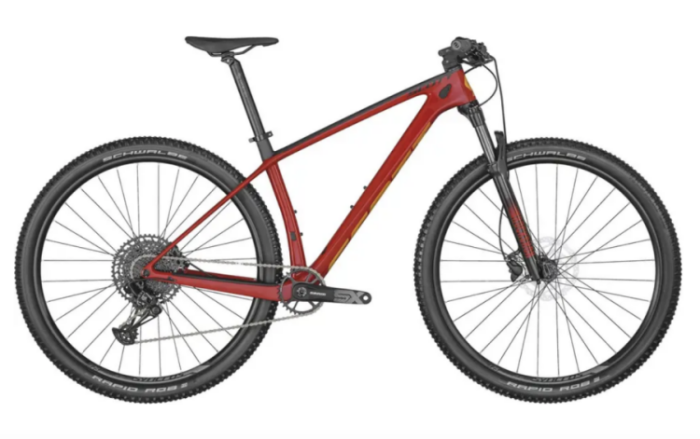
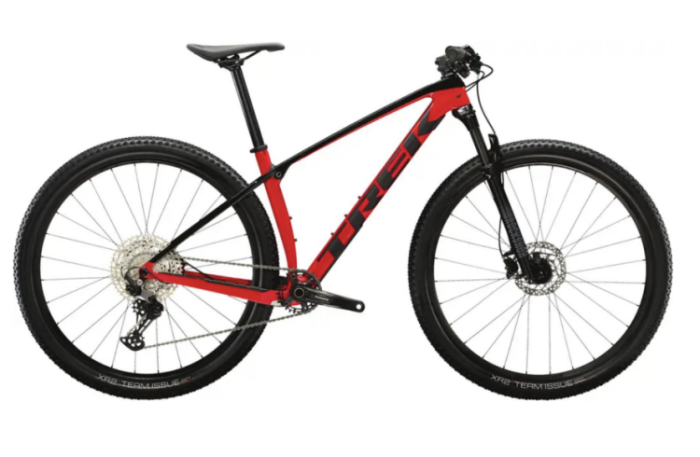
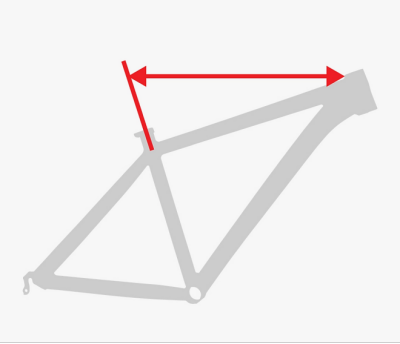
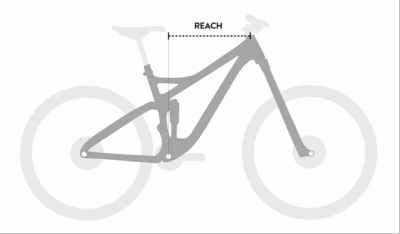
- Reach is a useful horizontal frame reference when standing over the bike; it helps compare cockpit room without relying on seat-tube angle alone.
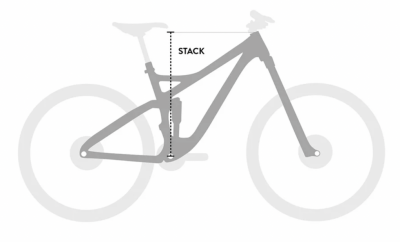
- Stack describes vertical frame height to the top of the head tube and influences how high or low the front can be set.
- Stand-over must leave practical clearance in the shoes and terrain where the bike will be used.
- Seat-tube length and insertion determine whether the saddle and dropper post can reach both pedaling and descending positions.
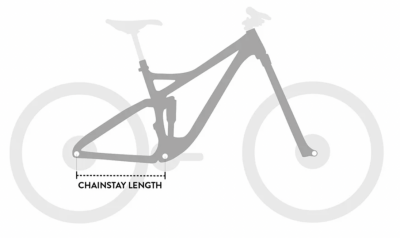
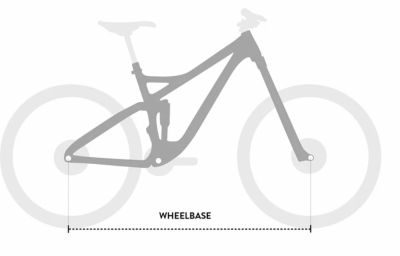
- Wheelbase and chainstay length affect the space and handling created by the size, but they are not fit measurements by themselves.
If you are between sizes
Do not automatically size up for stability or down for agility. Check the brand’s guidance and compare the real reach, stack and seat angle. The smaller option may offer more body clearance and a shorter cockpit; the larger option may offer more room and a longer wheelbase. Stem length and saddle movement provide limited fine adjustment and should not be used to rescue the wrong frame.
Test the complete riding position
- Set saddle height within the post’s markings and confirm the knees do not lock or the hips rock.
- Stand in the attack position with level pedals. The rider should be centered, able to bend elbows and move behind the saddle without contacting the rear tire.
- Make slow turns, a controlled hard stop and a short climb. Check toe overlap, lever reach, front-wheel weighting and whether the bike feels difficult to lift or lean.
- Repeat with normal shoes, gloves, hydration pack and protective equipment when those change posture.
Bottom line: choose the smallest or largest label only after the model-specific geometry proves it fits; the printed size name is not comparable across every brand.
Linked Products and Resources
Availability and specifications can change. Check compatibility, total price and the current seller terms before buying.
- https://www.competitivecyclist.com/Store/catalog/fitCalculatorBike.jsp
- Specialized Epic Hardtail Bike Review
- SEE THE Specialized Epic Hardtail
- Scott Scale 940 Be A Good Cost Performance Hardtail Bicycle? [Review]
- Trek Procaliber 9.5 Review – Great Value Carbon Hardtail Bike
- Salsa Rustler SX Eagle
- Santa Cruz 5010 X01 Review – Napoleon's Heroism
- Click View Latest Offers
- SEE THE Salsa Rustler SX Eagle
- Salsa Rustler SX Eagle Review — Will This Be An Excellent Bike?
- Full Shock Endurance Mountain Bike Trek Slash 8 Review– What Are Your Reasons For Choosing It?
- View all X-Small Bikes
- View all Small Bikes
- View all Medium Bikes
- View all Large Bikes
- View all X-Large Bikes
- View all XX-Large Bikes
- View all X-Small Bikes
- View all Small Bikes
- View all Medium Bikes
- View all Large Bikes
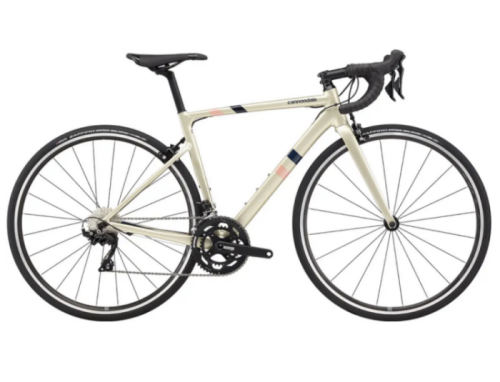
- SEE THE Cannondale CAAD13 Women's 105
Sources
Technical and safety pages checked August 24, 2026.