
Originally published · Last updated
How to Respond to Cycling-Related Lower Back Pain
Lower back pain during cycling can be associated with bicycle setup, riding load, fatigue, strength, mobility or a condition unrelated to the bike. There is no single stem, stretch or core exercise that fixes every case. Start by reducing the provoking load and checking the position systematically.
Check the pattern before changing parts
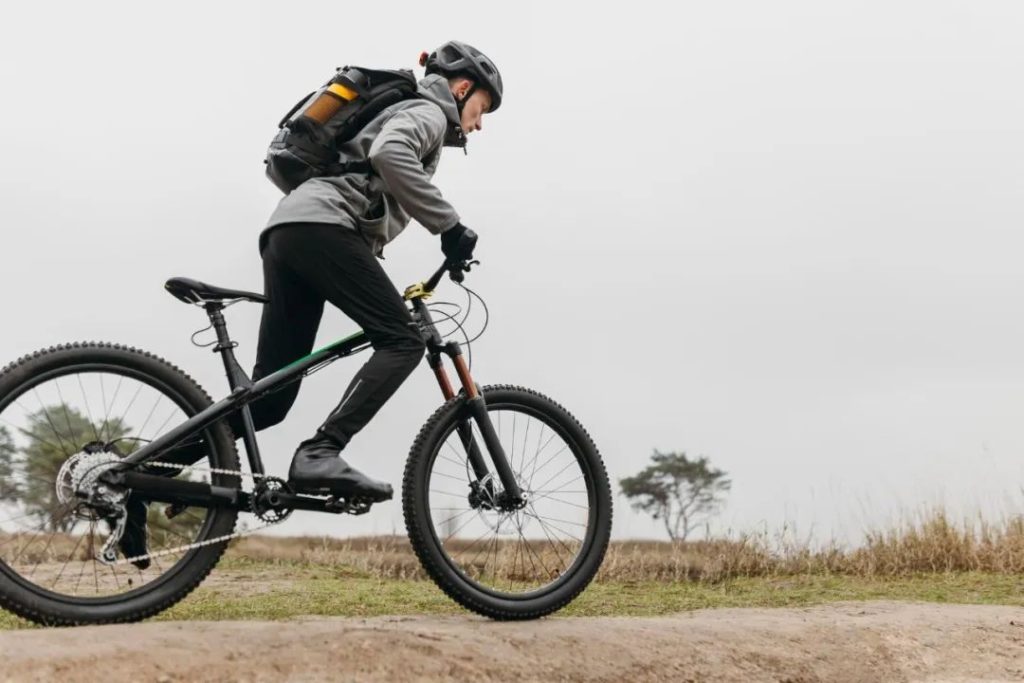
- Only after long rides: shorten the next ride and note when symptoms begin.
- Immediately in the drops or on steep climbs: review reach, handlebar drop, saddle position and gearing.
- One-sided discomfort: check saddle alignment, leg-length concerns, cleat placement and asymmetrical movement with a qualified fitter or clinician.
- Pain away from the bike: do not assume bicycle fit is the only cause.

A conservative adjustment sequence
- Return any recent saddle, cleat or cockpit change to the prior position if symptoms began immediately afterward.
- Confirm saddle height: the hips should not rock to reach the bottom of the pedal stroke.
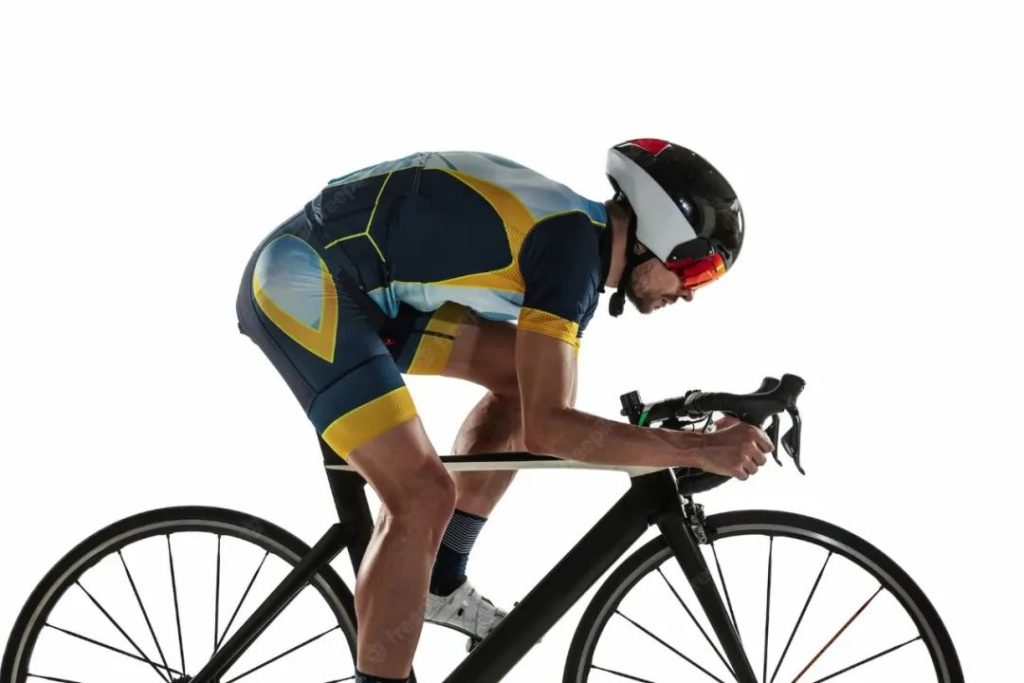
- Check reach and bar drop. A position that forces the pelvis to roll or the elbows to lock may be too demanding for the rider’s current mobility and conditioning.
- Use easier gearing and avoid prolonged low-cadence grinding while symptoms are present.
- Rebuild time and intensity gradually after normal daily movement and easy riding are comfortable.
When a professional assessment matters
Seek medical evaluation for severe pain, symptoms following a crash, persistent pain, pain that wakes you, or pain accompanied by weakness, spreading numbness or changes in bladder or bowel control. A bike fit can address the bicycle-rider interface; it cannot diagnose a medical condition.
Bottom line: reduce the aggravating load, verify saddle and cockpit position, and use a qualified clinician or fitter when symptoms are persistent or complex.
Linked Products and Resources
Availability and specifications can change. Check compatibility, total price and the current seller terms before buying.
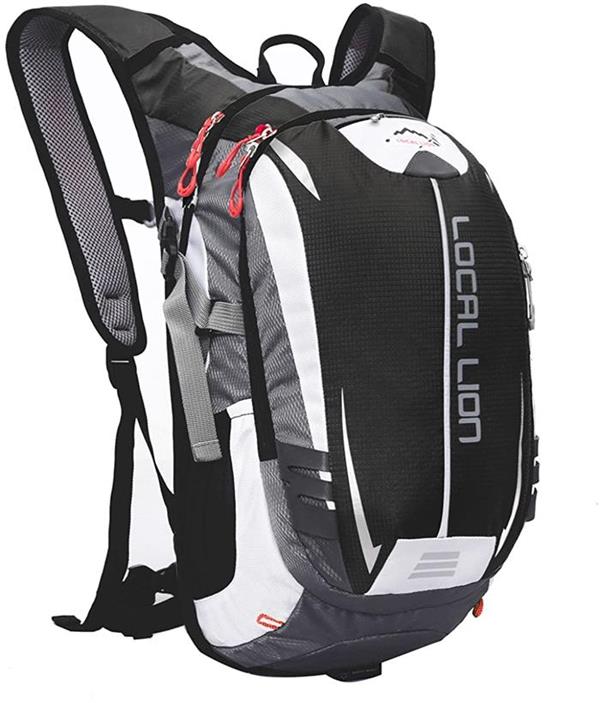
- LOCALLION Cycling Backpack Bike Backpacks Hiking Daypack for Outdoor Travel 18L.
- Click to view prices
Sources
Technical and safety pages checked August 24, 2026.