

Originally published · Updated
Rocky Mountain Slayer Alloy 30 review: the quick verdict
Verdict: The Rocky Mountain Slayer Alloy 30 makes sense for aggressive trail and enduro riders who accept extra weight in exchange for descending confidence. It is a weaker match when most rides are smooth cross-country loops or climbing speed matters more than downhill margin. The decision should be based on the exact configuration, fit and condition—not a model name or a claimed discount by itself.
- Best for: aggressive trail and enduro riders who accept extra weight in exchange for descending confidence.
- Think twice if: most rides are smooth cross-country loops or climbing speed matters more than downhill margin.
- Most important buying check: suspension setup, brake condition, wheel strength and tire casing have a bigger effect than small drivetrain upgrades.
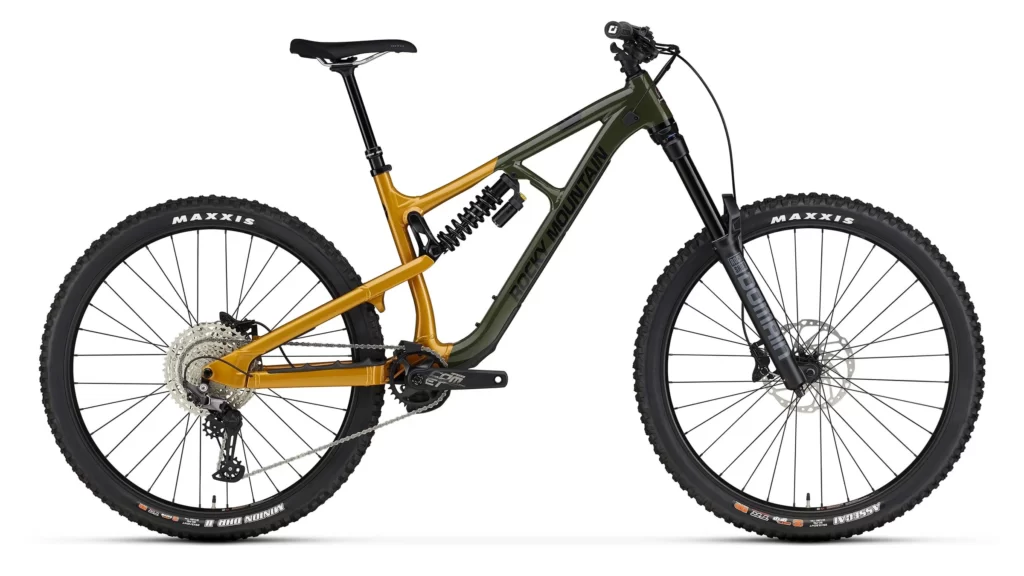
Rocky Mountain Slayer Alloy 30 specifications
Use this table to identify the bike being discussed. Manufacturers sometimes change components by region, size or production run, so compare the actual bike in front of you with these fields before ordering parts.
| Frame | FORM aluminum full-suspension frame with RIDE-4 adjustable geometry; 170 mm rear travel with 29-inch wheels or 180 mm with 27.5-inch wheels |
|---|---|
| Fork | RockShox Domain RC, 180 mm travel, 44 mm offset |
| Rear shock | Marzocchi Bomber CR coil shock |
| Rear derailleur | Shimano Deore, 12-speed |
| Cassette | Shimano Deore, 10-51T, 12-speed |
| Brakes | Shimano MT4120 four-piston brakes with 203 mm rotors |
| Rims | WTB ST i30 TCS 2.0 tubeless-ready rims |
| Tires | Maxxis Assegai front and Minion DHR II rear, tubeless-ready |
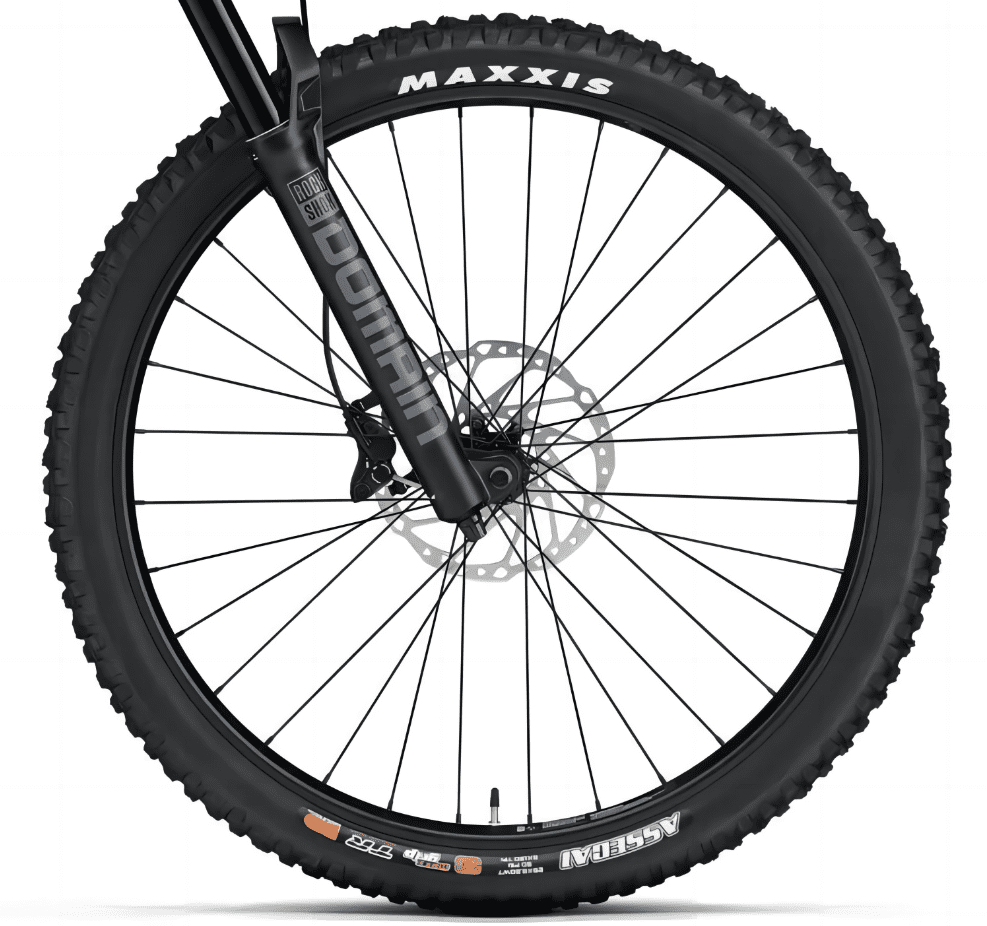
What the configuration means on the road or trail
The chassis is the starting point. FORM aluminum full-suspension frame with RIDE-4 adjustable geometry; 170 mm rear travel with 29-inch wheels or 180 mm with 27.5-inch wheels. That sets the bike’s intended use and the standards a buyer must match when checking replacement parts or upgrades.
The suspension package combines RockShox Domain RC, 180 mm travel, 44 mm offset with Marzocchi Bomber CR coil shock. Setup still matters: correct sag, spring rate, rebound and service history can change control more than a drivetrain upgrade.
For gearing, the configuration lists Shimano Deore, 12-speed. The useful question is whether its lowest gear suits local climbs and whether wear parts for that exact generation remain easy to source.
Braking comes from Shimano MT4120 four-piston brakes with 203 mm rotors. Lever feel, pad life, rotor or rim condition and correct adjustment should be checked before purchase, especially for heavier riders, cargo use or sustained descents.
The rolling setup is WTB ST i30 TCS 2.0 tubeless-ready rims. Tire pressure and casing choice should be matched to the route: lower pressure can add grip and comfort, while too little pressure increases rim-strike and pinch-flat risk.
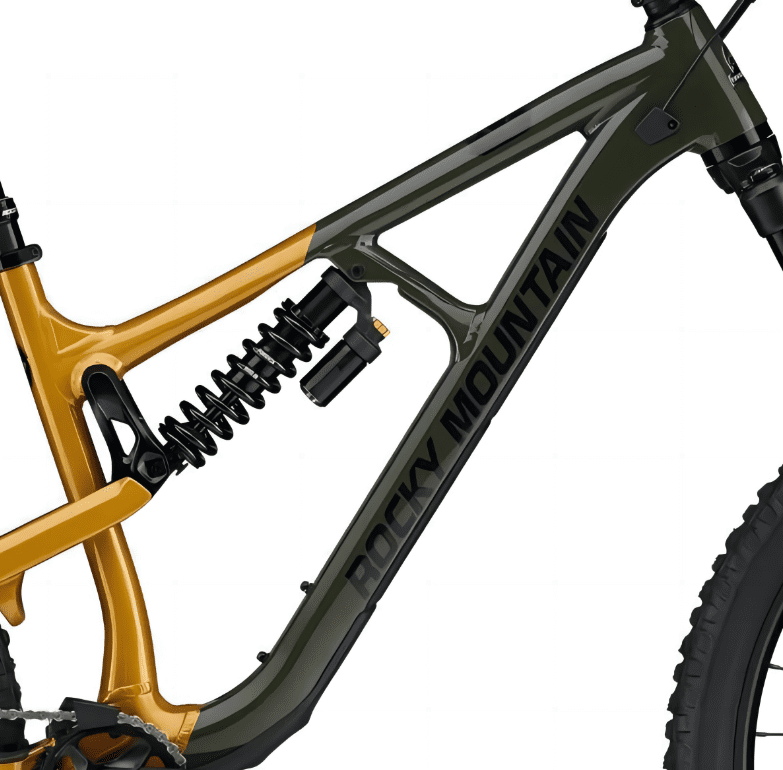
Where this bike is strongest
- Its configuration is purpose-built for steep trails, repeated impacts, enduro stages and occasional bike-park days.
- The component roles are clear, making it easier to inspect the bike and prioritize meaningful maintenance.
- The frame, rolling setup and braking package can be evaluated as one system rather than by brand names alone.
The useful way to judge the Rocky Mountain Slayer Alloy 30 is to keep it inside its design brief. For steep trails, repeated impacts, enduro stages and occasional bike-park days, the configuration has a coherent purpose. Asking it to perform like a bike from another category will make its compromises look larger than they really are.
Tradeoffs to understand before buying
- Suspension setup, brake condition, wheel strength and tire casing have a bigger effect than small drivetrain upgrades.
- Model-year and regional specifications may differ, so the exact bike for sale should match the configuration shown here.
- Weight and maintenance demands are higher than on a simpler bike, so transport, storage and service access deserve an honest check.
For a used bike, inspect the frame around welds, pivots and high-load areas; check wheels for dents or lateral play; measure drivetrain wear; and verify that every adjustment works. For a new-old-stock bike, ask how the warranty is handled and whether the listed build matches the box.
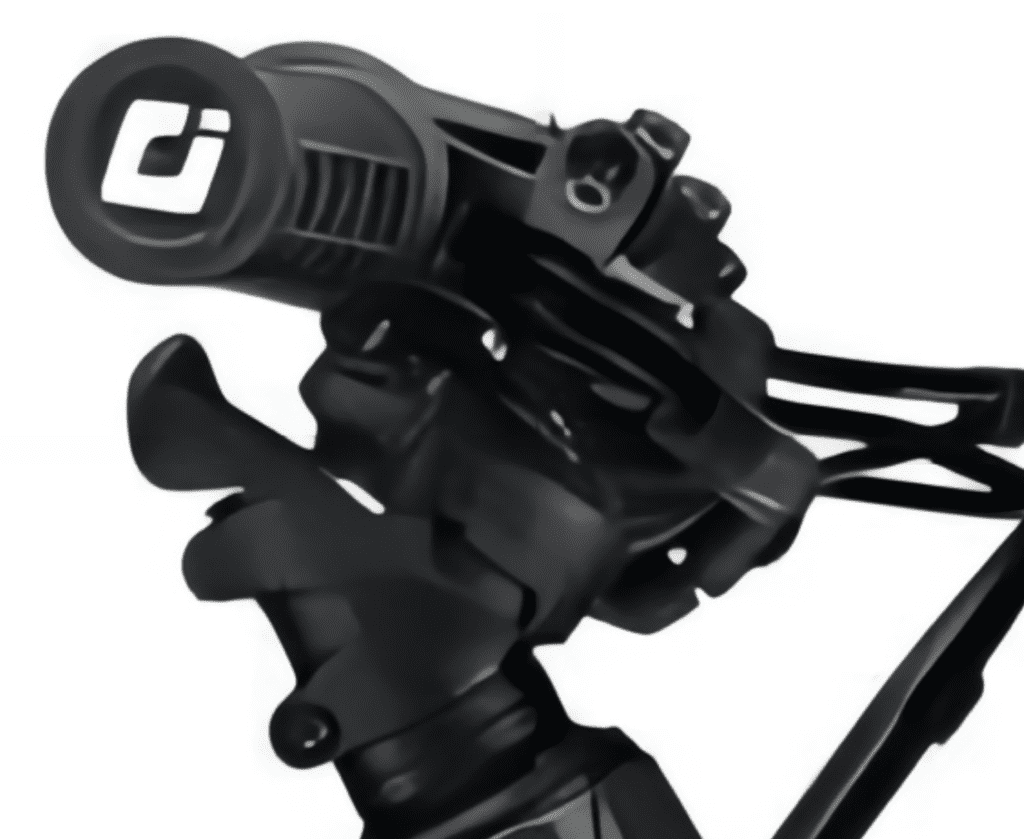
Fit, setup and ownership checks
- Confirm the manufacturer’s size range, then check reach, standover and saddle-height adjustment on the exact frame size.
- Match tire pressure to rider weight, tire casing, rim width and terrain; do not copy a single pressure number without context.
- Ask for service history and inspect consumables: chain, cassette, brake pads, rotors or rims, tires, bearings and suspension seals where applicable.
- Confirm axle, bottom-bracket, headset, freehub and seatpost standards before planning upgrades.
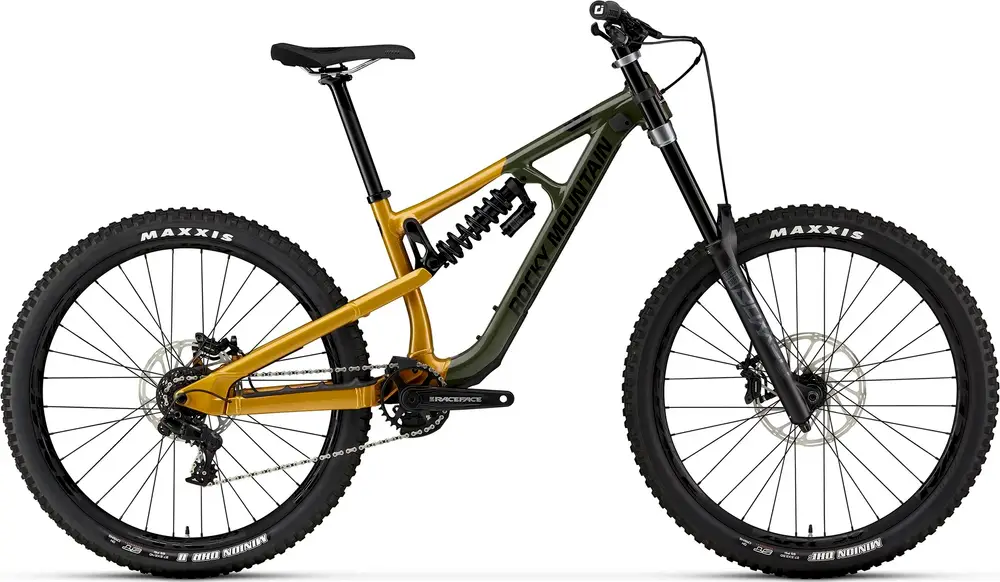
A correctly sized, well-maintained Rocky Mountain Slayer Alloy 30 is a better purchase than a higher-spec example that does not fit. Leave room in the budget for a baseline service, contact points and tires suited to your normal routes.
Rocky Mountain Slayer Alloy 30 alternatives worth comparing
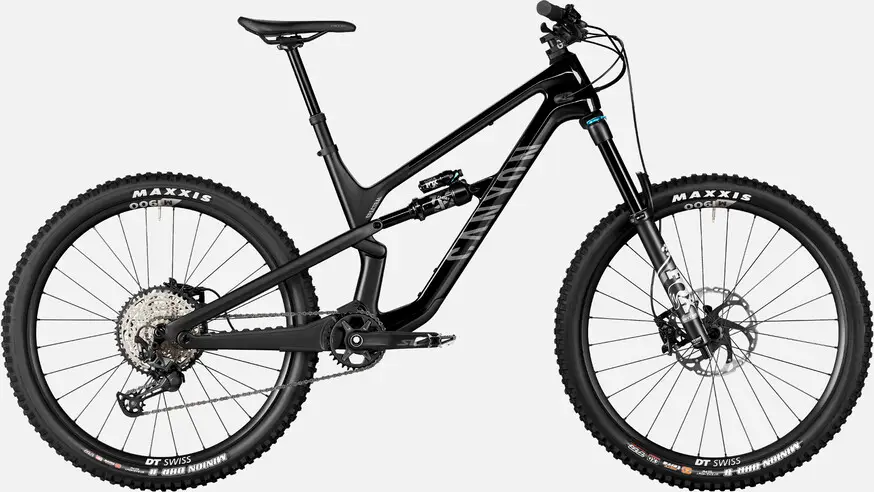
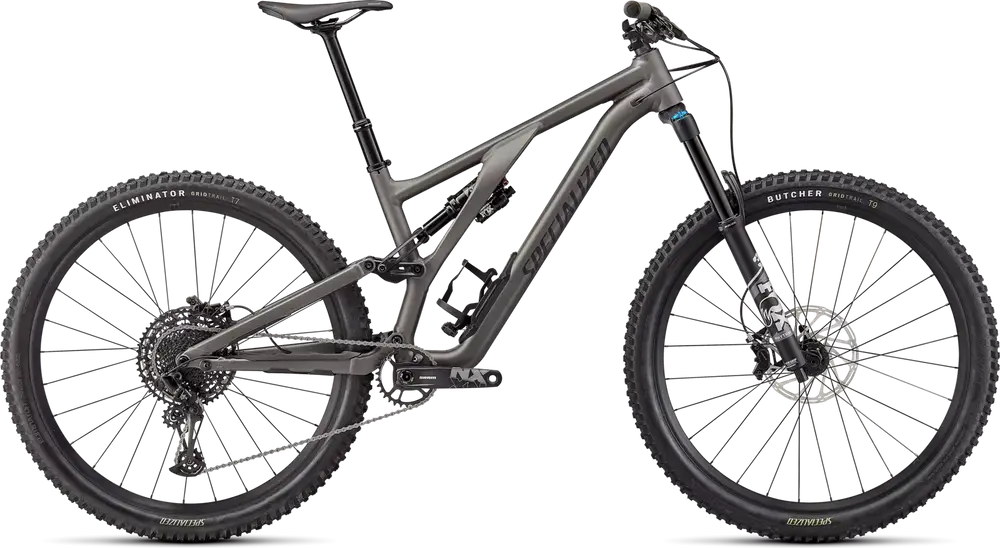
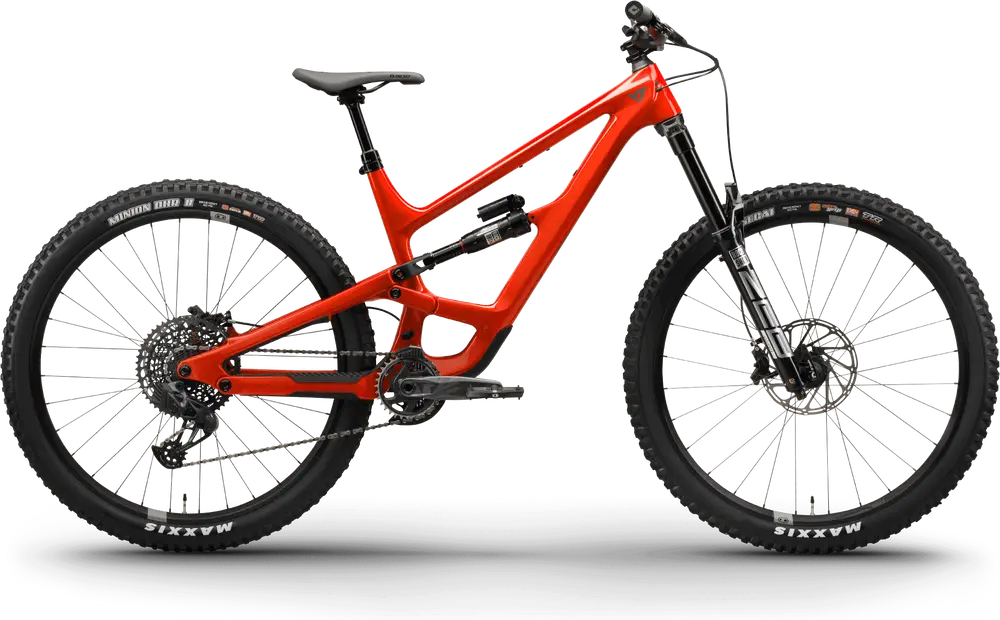
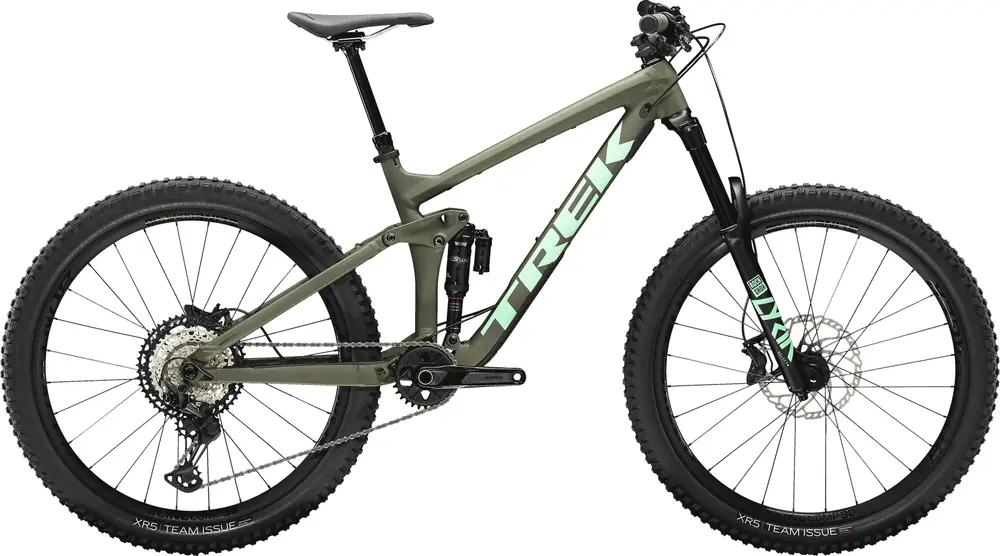
These images show comparison models associated with this review. Captions identify each bike so it is not mistaken for the reviewed configuration.
Availability and related buying links
These links are provided for checking availability or comparable options. Prices, stock and exact specifications can change; confirm the seller’s listing before purchase.
Rocky Mountain Slayer Alloy 30 FAQ
Who is the Rocky Mountain Slayer Alloy 30 best for?
It is best for aggressive trail and enduro riders who accept extra weight in exchange for descending confidence. Riders should still confirm fit and compare the exact build with the specification table.
Is it still worth considering in 2026?
Yes, if the price reflects its age, the condition is strong, wear parts remain available and the bike fits the intended use. A newer model year is not automatically better than a well-kept, correctly sized bike.
What should I inspect first?
Start with frame integrity, fit, wheels and brakes. Then check drivetrain wear, bearings, suspension service history and—on an e-bike—the battery, charger and diagnostic status.
Can specifications vary?
Yes. Brands may substitute components or sell different builds by market and size. Match the frame, fork, drivetrain, brakes and wheel format on the actual bike rather than relying on the model name alone.
Bottom line
The Rocky Mountain Slayer Alloy 30 is worth considering when its intended terrain, fit and maintenance demands match your riding. Its strongest case is not a dramatic promise; it is a coherent configuration that can be evaluated part by part. Confirm the exact build, inspect condition and compare the total cost after necessary service.
Specification reference: bikes.com. Manufacturer pages, archived listings and regional specifications can change.